Why Are Certain Events Remembered and Others Forgotten?
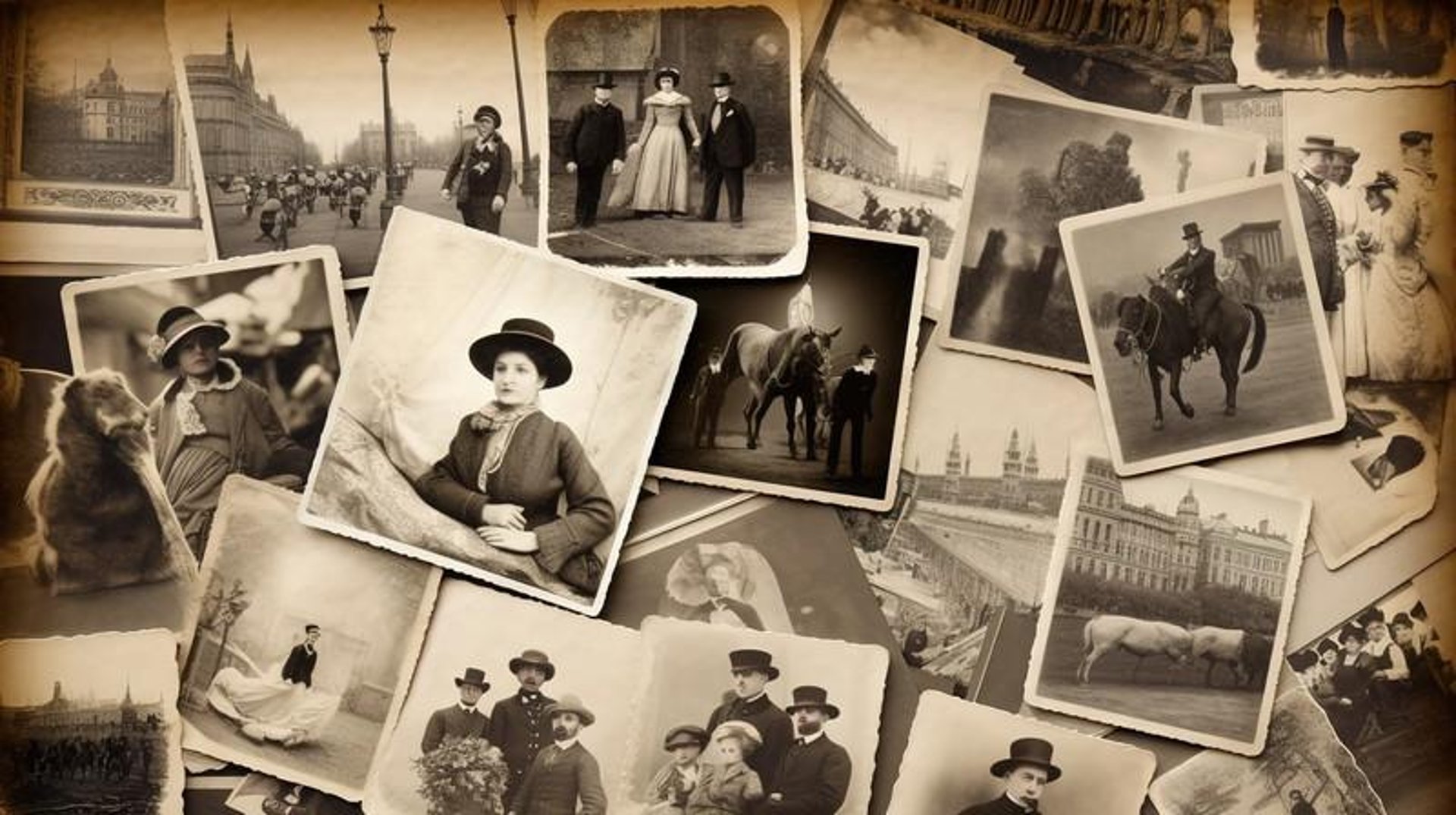
The Story Hidden in Plain Sight
It's February 2017 when, suddenly, Beyoncé releases the music video for Love Drought. One particular scene stands out. Beyoncé is walking along the shoreline, followed by a group of Black women, all dressed alike and all wearing the same somber expression. In later scenes, they are shown holding hands, and then we see the same shore again, but this time with no women in sight.
So, what's happening?
Beyoncé is recreating the story of Igbo Landing. This event took place in 1803, when a group of Igbo people (an ethnic group from present-day Nigeria) who had been sold into slavery jumped from the ship that was transporting them. According to the story, they walked into the sea while singing, “The water brought us here, the water will take us away.”They chose death over enslavement.
This is only one story among countless others that many people have never heard. It is just one example of the many forgotten chapters of slavery and human history. And although some forgetting may happen naturally, what societies remember and what they forget is rarely accidental.
Who Decides What We Remember?
Taking slavery as an example, we have to think about who the enslaved people were and who their "owners" were.
While enslaved populations were often African, Indigenous American, or Latin American peoples, the colonizers and slave-owning powers were frequently the states that later became some of today's most influential countries, including the United States and several European nations.
It is not particularly convenient for powerful countries to be remembered primarily as exploiters, abusers, or perpetrators of violence. And because they possess significant political, economic, and cultural influence, they often shape the narratives that become dominant.
This does not necessarily mean that governments actively erase every uncomfortable event. More often, they slowly shift public attention elsewhere.
One way of doing this is by highlighting other historical achievements. Take the United States as an example. The country often presents itself as the "Land of Freedom" through ideas such as the American Dream, celebrations like the Fourth of July, and its role in establishing one of the first modern democracies. These narratives are not false, but they can sometimes overshadow more uncomfortable aspects of the country's history.


The Colonial Album: an Exhibition Case at Pitt Rivers Museum
Myths, Propaganda, and Historical Narratives
Another strategy is to blur the line between history and myth.
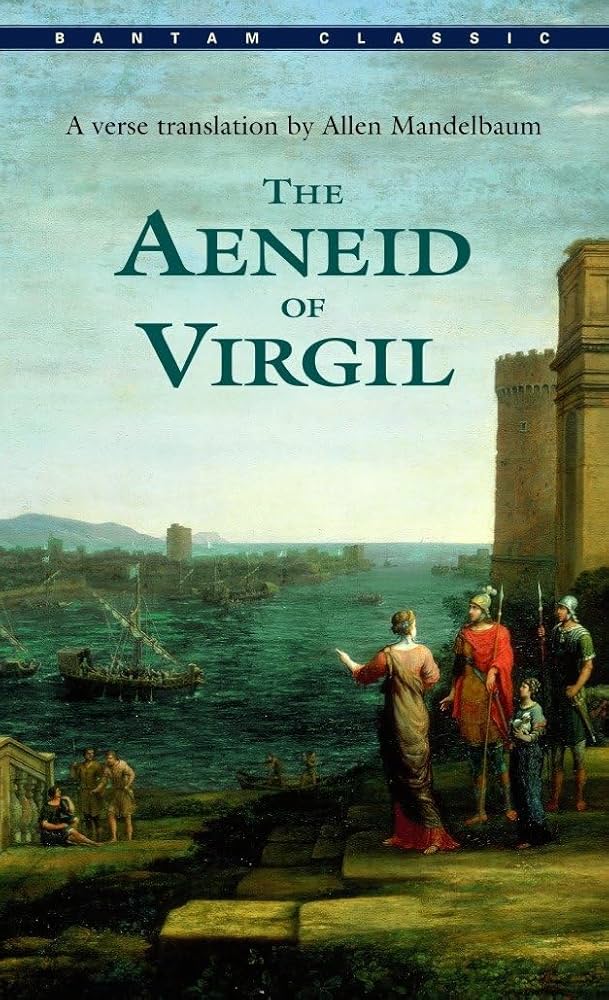
This was a common form of political storytelling in Ancient Greece and Rome. For example, the Roman poet Virgil wrote The Aeneid, a work that connected Rome's origins to divine ancestry and heroic legends, giving political legitimacy to Roman rulers and institutions.
At the same time, myths could also be used to replace less glamorous realities.
Take the story of Romulus and Remus, the legendary founders of Rome. According to the myth, they were abandoned as infants and rescued by a she-wolf, who nursed and protected them. However, some historians point out that the Latin word lupa can mean both "she-wolf" and "prostitute." It is possible that the story originally referred to a woman who cared for the children and was later transformed into a more heroic and mythical narrative.
Whether entirely true or not, the example shows how societies often reshape stories to make them more inspiring, memorable, or politically useful.
Hiding the Evidence
Sometimes governments and institutions are not subtle at all. Instead of changing the narrative, they simply restrict access to information.
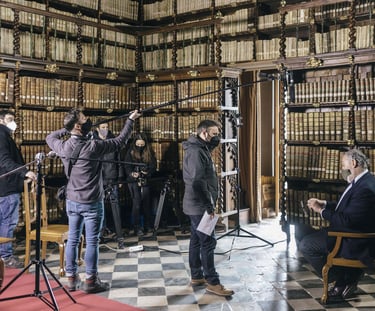
One example is the Apostolic Vatican Library. Founded centuries ago, it contains an enormous collection of manuscripts, documents, and historical records. While researchers can access parts of its collection under specific conditions, access remains highly controlled.
More broadly, throughout history, governments and institutions have often limited access to archives, documents, and primary sources. When information is difficult to access, it becomes much harder for people to challenge official narratives.
Today, many governments have introduced policies designed to promote historical transparency by declassifying archives and making previously secret documents available to the public.
While this can be a positive development, it often happens on the government's own terms. Sometimes vast amounts of information are released at once, making it difficult for the public to process it all. Other times, documents are declassified decades after the events occurred, when public interest has largely disappeared.
Recovering Invisible Histories
Fortunately, we now live in a world where information is more accessible than ever before. Social media, documentaries, books, films, music, art, and independent journalism allow forgotten stories to reach global audiences. People can share perspectives that were previously ignored or marginalized.
In many ways, this is exactly what Beyoncé was doing with Love Drought. Through art, she brought attention to a historical event that many people had never heard of. And perhaps that is one of the most important lessons history can teach us.
History is not only about the past. It shapes the present and influences the future. Governments still commit abuses, powerful actors still attempt to control narratives, and many stories remain hidden from public view. Whether we are talking about The Democratic Republic of the Congo, Ethiopia, or countless other places around the world, the struggle over memory and historical truth continues.
So whenever someone presents history as simple, complete, or unquestionable, be careful. Stay curious. Think critically. Ask questions. And most importantly, pay attention to the stories that are missing.
Author: Sofía López
Editor & Publisher: Lucía Lobato






© 2026. Unfolding The World. All rights reserved.
Understanding the World, One Story at a Time.
About Us
Our Team
QUICK LINKS