Who Really Decides the World? Inside the Power of the UN
By Pavlína Liptáková
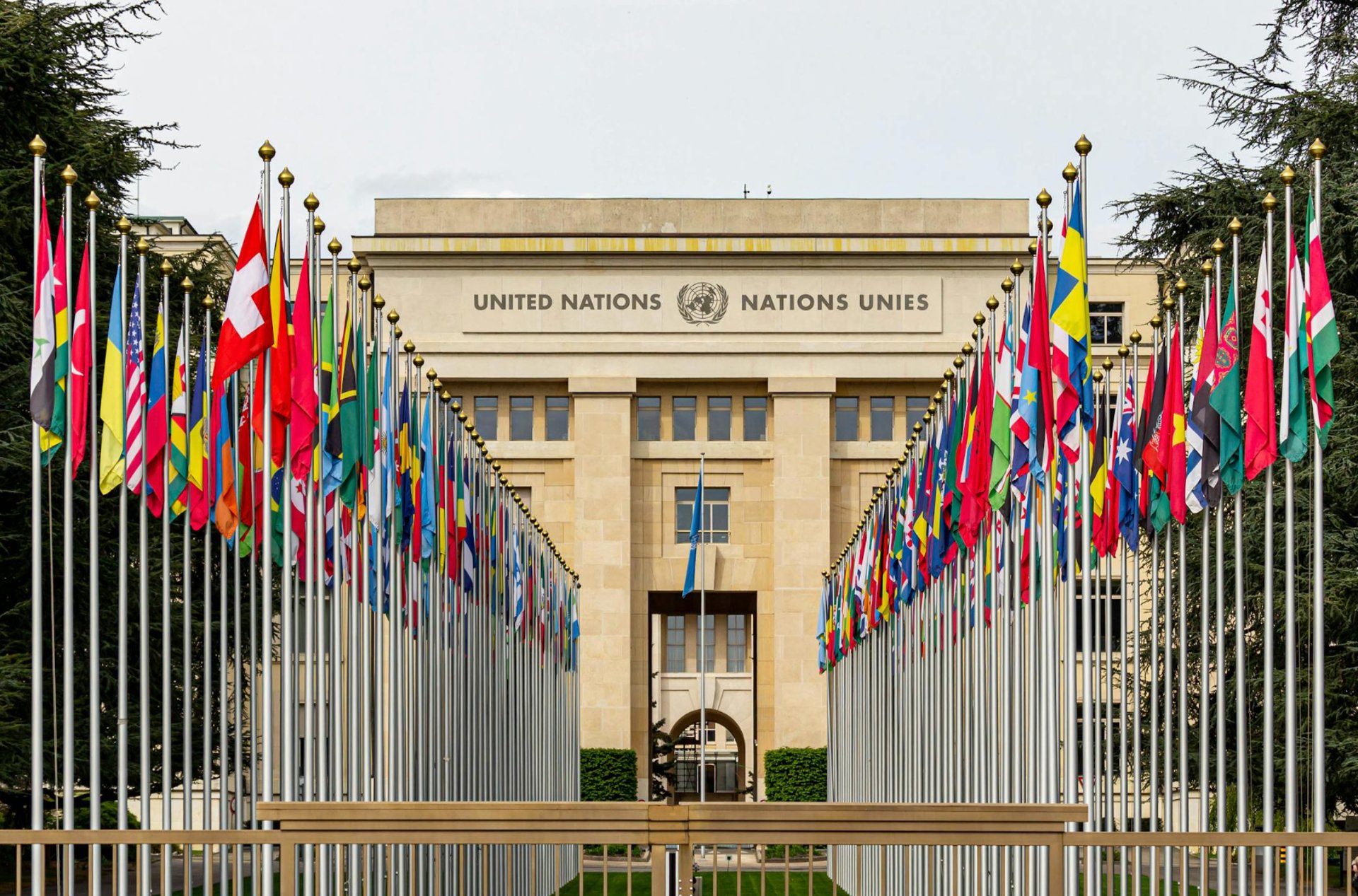
A World That Never Wanted Another War
What would you do if you had just lived through a war that destroyed half the world?
In 1945, this wasn't a hypothetical question—it was a shared global reality. The answer many countries came up with was ambitious: create an international organization that could help prevent such devastation from ever happening again.
That organization became the United Nations (UN).
At its core was a hopeful idea: diplomacy could replace war, and dialogue could replace destruction. But from the very beginning, the UN has existed within a system shaped not only by cooperation, but also by power.
Who Really Holds the Power?
The modern international system is traditionally understood as state-centric. According to classical realist theory, states are the main actors in international relations, driven by survival, power, and national interest. International organizations like the UN, from this perspective, are secondary—they are tools created by states to serve their interests rather than independent actors with real authority.
Liberal institutionalism offers a different perspective. It argues that institutions such as the UN can shape state behaviour, encourage cooperation, and reduce the likelihood of conflict by creating norms, rules, and spaces for negotiation. However, even within this framework, the effectiveness of international organizations ultimately depends on whether states are willing to follow their rules and decisions.
This tension between state sovereignty and institutional authority lies at the heart of global governance.
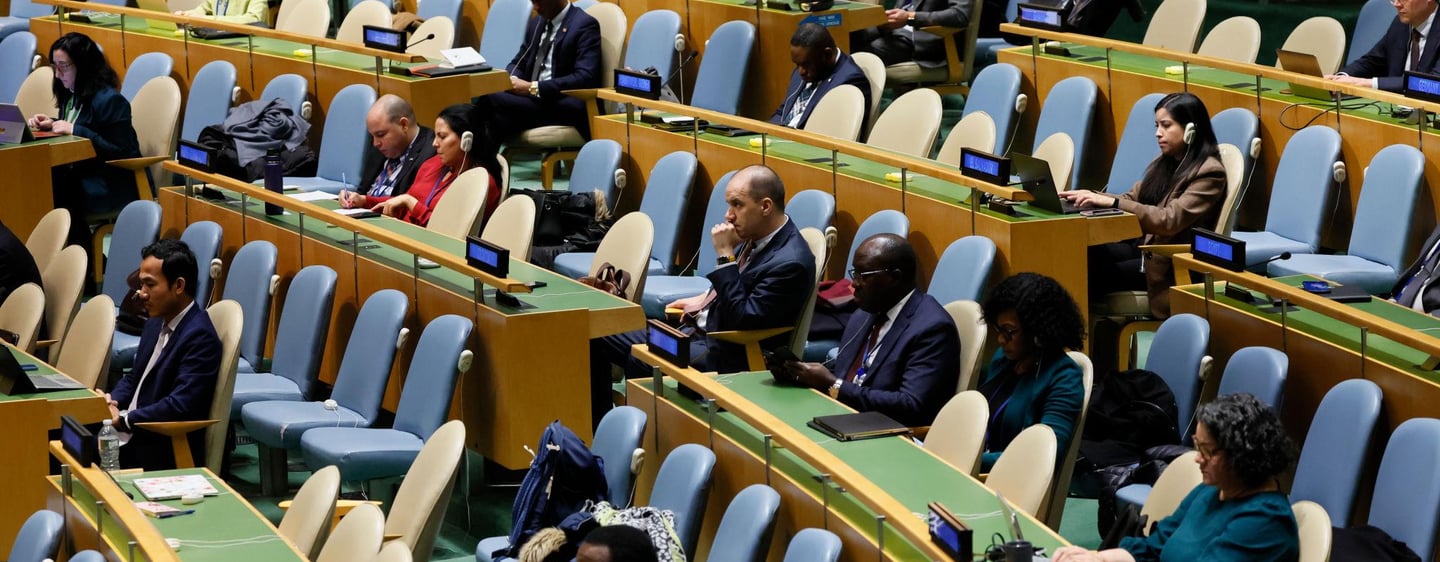
Why Don't Countries Like Being Told What To Do?
State sovereignty remains one of the fundamental principles of the international system. It means that states have supreme authority within their own territory and are generally not subject to interference from outside actors. The UN Charter itself reinforces this principle by emphasizing the equality and independence of all member states.
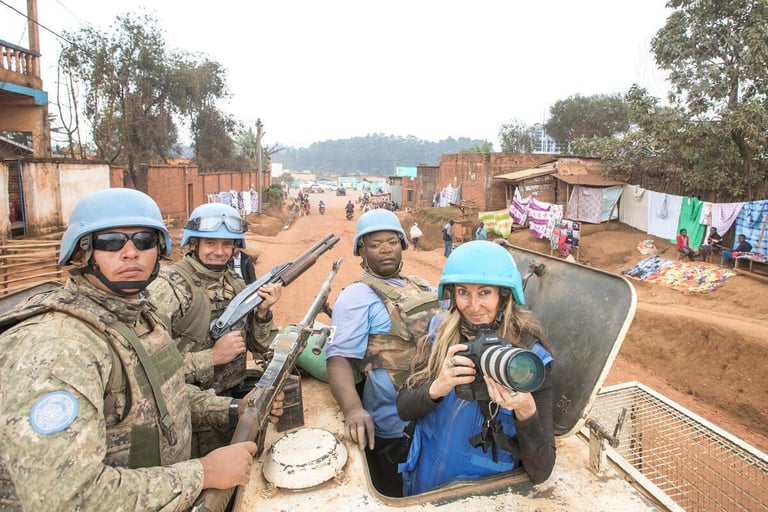
However, sovereignty is not absolute in practice. Humanitarian interventions, peacekeeping missions, and international law increasingly challenge the idea that states can act without any external scrutiny. Even so, enforcement mechanisms remain limited. There is no global government above states, and compliance with international norms often depends more on political will than on legal obligation.
Is the UN Powerful... or Just Influential?
The UN was designed as a forum for cooperation, but its power has clear limits. It does not have its own standing army, has limited enforcement capacity, and often depends on the political, military, and financial support of its member states.
In reality, global decision-making often reflects the interests of major powers such as the United States, China, and Russia, alongside the influence of major blocs like the European Union. These actors possess not only economic and military strength but also significant influence within international institutions.
This imbalance becomes especially visible in the structure of the UN Security Council.
Five Countries, One Veto
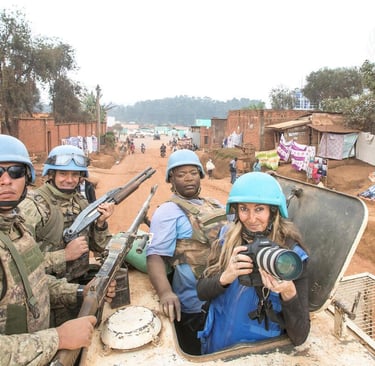
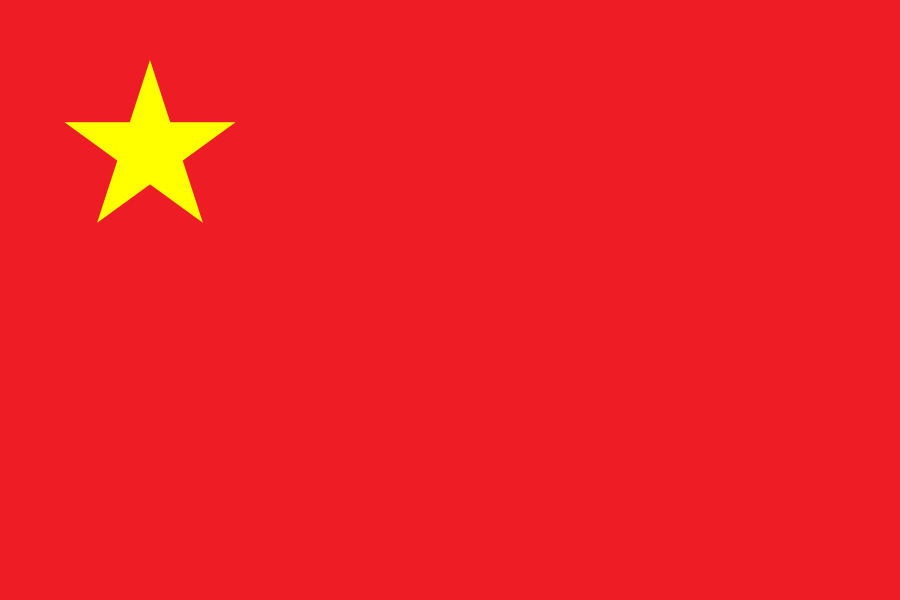
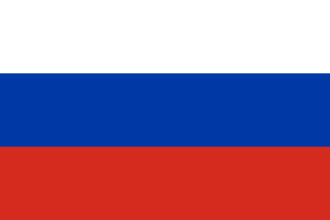
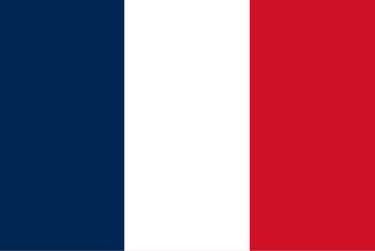
The UN Security Council is responsible for maintaining international peace and security. It consists of five permanent members (the United States, the United Kingdom, France, China, and Russia) and ten rotating members.
The key feature is the veto power. Any one of the five permanent members can block substantive resolutions, even if every other member supports them.
This system reflects the balance of power established after the Second World War. It was designed to keep the world's major powers engaged in the international system rather than acting outside it. However, it also creates paralysis. When the interests of the permanent members clash, the Security Council often struggles to take action.
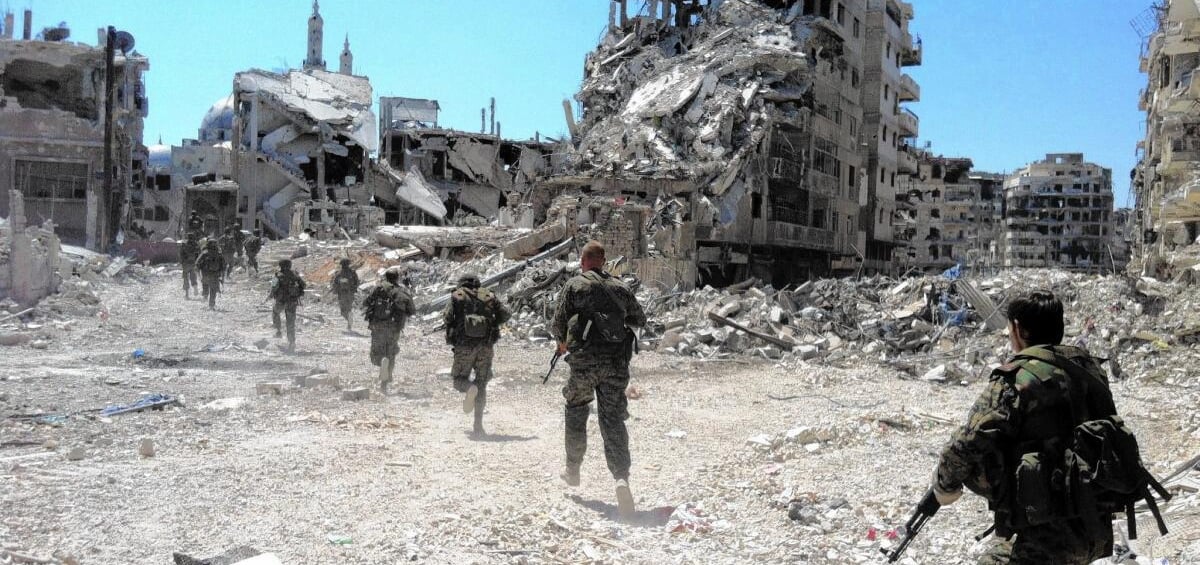
For example, during the Syrian civil war, repeated vetoes by Russia and China prevented stronger UN intervention. Likewise, divisions among major powers have limited the UN's response to conflicts such as Ukraine and Israel-Palestine.

A Fair System—or Just the Least Bad One?
The UN is often seen as one of the pillars of the so-called liberal international order—a system based on rules, cooperation, human rights, and multilateralism, largely shaped by Western powers after 1945.
Supporters argue that this order has contributed to unprecedented levels of global stability and economic growth.
Critics, however, point to several important flaws:
It reflects Western interests and values more than truly global ones.
It lacks effective enforcement mechanisms.
It coexists with significant inequalities in power and influence.
From a realist perspective, this "order" is less about shared rules and more about the dominance of powerful states operating under a cooperative façade.
When the System Couldn't Deliver
While the UN has achieved important successes in areas such as humanitarian aid, peacekeeping, and the development of international norms, its limitations become most visible during major conflicts.
Some well-known examples include:
The Rwandan genocide (1994), where the UN failed to prevent mass atrocities despite clear warning signs.
The Iraq War (2003), during which the United States launched an invasion without explicit authorization from the UN Security Council.
The ongoing Syrian conflict, where geopolitical divisions have repeatedly blocked decisive international action.
These cases highlight a key reality: the UN can facilitate collective action, but it cannot force states to act—especially when the world's most powerful countries disagree.
So... Who Actually Decides the World?
The United Nations represents both an aspiration and a compromise. It embodies the hope that dialogue can replace war, but it operates within an international system where power still plays a decisive role.
So, who really decides the world?
Formally, it is states acting collectively through institutions like the UN. In practice, however, it is often a relatively small group of powerful countries that have the greatest influence over global outcomes.
The UN has not eliminated conflict, but it has created a space where conflicts can be managed, debated, and sometimes resolved. It has not fully lived up to its idealistic promise—but it has not failed entirely either.
Instead, it exists in the constant tension between the world as it is and the world as it hopes to become.
Author: Pavlína Liptáková
Editor & Publisher: Lucía Lobato
© 2026. Unfolding The World. All rights reserved.
Understanding the World, One Story at a Time.
About Us
Our Team
QUICK LINKS