What´s Climate Change?
Climate change affects far more than just the environment. From extreme weather and rising sea levels to food insecurity and global inequality, this article explains what climate change is, what causes it and why it impacts every aspect of our lives.
What Is Climate Change?
Climate change is one of the most serious problems facing our planet today. From rising sea levels and extreme weather events to energy, food and water insecurity, the consequences are already visible and often devastating.
While there are many factors that influence Earth's climate, human activity, particularly industrial development and economic growth, plays a major role in the rapid changes we are experiencing today.
Weather vs. Climate: What's the Difference?
The main difference between weather and climate is time.
Weather refers to the day-to-day condition of the atmosphere in a specific place. It includes things such as temperature, rain, wind and cloud cover. Climate, on the other hand, is the average pattern of weather in a region over a very long period of time, usually 30 years or more.
Scientifically, climate change refers to long-term shifts in Earth's temperatures and weather patterns. While the climate has naturally changed throughout history, modern climate change is primarily driven by human activities.
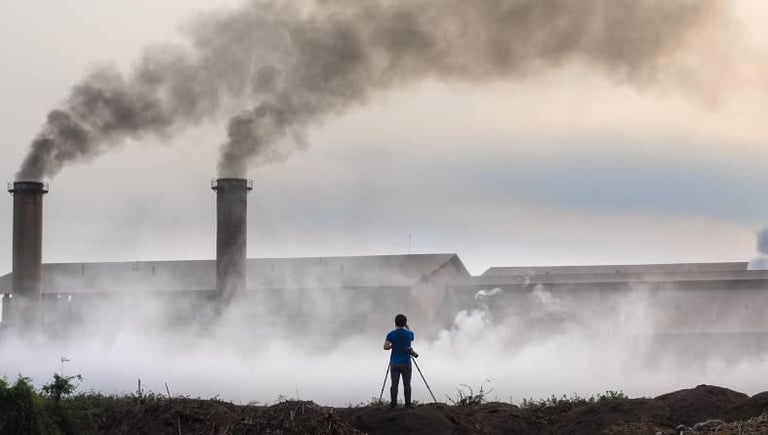
Burning fossil fuels such as coal, oil and natural gas releases greenhouse gases into the atmosphere. These gases trap extra heat, causing the planet to warm at an unusually rapid rate. It may sound like a small change, but its effects reach far beyond rising temperatures.
The Growing Consequences of Climate Change
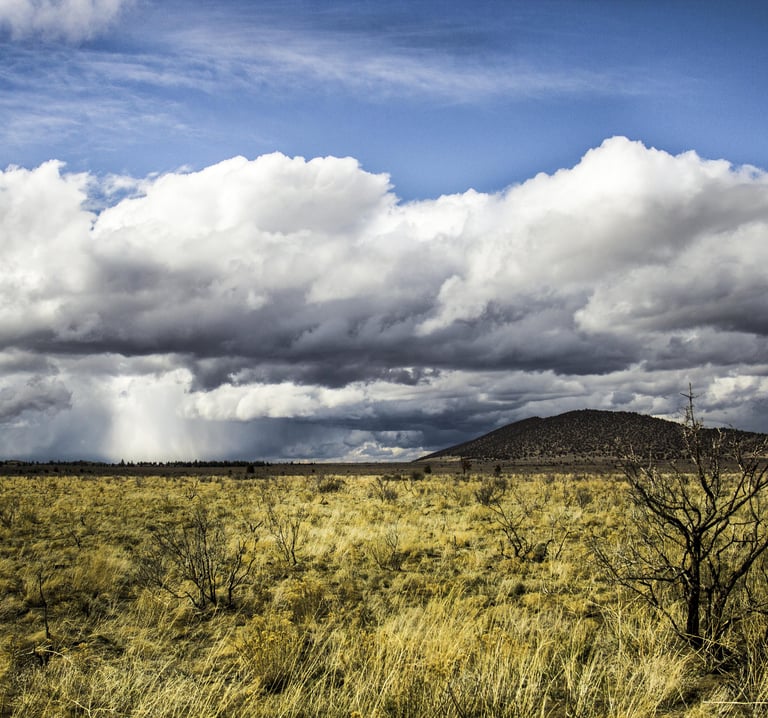
The most visible sign of climate change—and the one that affects our daily lives the most—is the increasing frequency and intensity of extreme weather events. Instead of predictable weather patterns, many regions are experiencing more frequent droughts, floods, storms and heatwaves that directly impact people's safety, homes and livelihoods.
Here are three major ways climate change is affecting humanity today.
EXTREME WEATHER AND RISING RISKS
HUMAN ACTIVITY AND GREENHOUSE GAS EMISSIONS
Heatwaves are becoming more frequent, longer-lasting and more intense. In some areas, temperatures are reaching levels that pose serious health risks, especially for people who work outdoors.
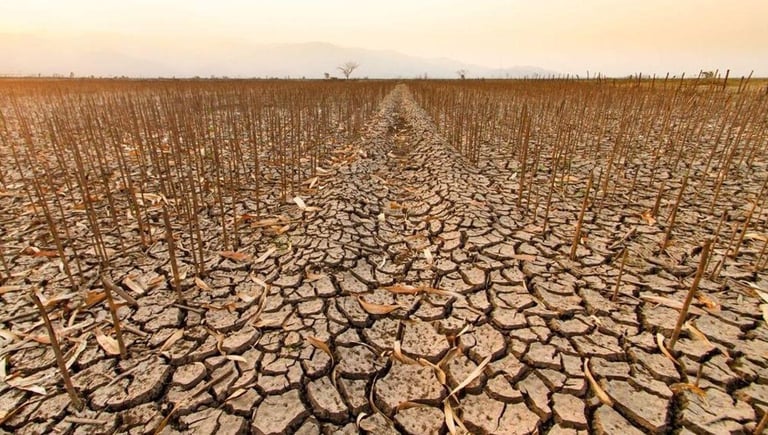
Extreme heat and prolonged droughts reduce crop yields and damage farmland. As food production decreases, prices rise and food insecurity becomes a growing problem worldwide.
Warmer air can hold more moisture, acting like a giant sponge that absorbs water from oceans, lakes and rivers. When storms occur, this extra moisture often falls in a short period of time, leading to severe flooding. Roads can be washed away, homes destroyed and entire communities displaced within hours.
As global temperatures rise, glaciers and ice sheets melt, causing sea levels to rise. Many coastal communities are already losing land to the ocean. Saltwater is also increasingly entering underground freshwater reserves and agricultural land, making it harder for coastal populations to access clean drinking water and grow food.
Think of Earth as a house and the atmosphere as a blanket. Our daily activities are making that blanket thicker and thicker, trapping more heat inside. Here are some of the main ways humans contribute to climate change:
Cars, buses, factories and power plants often rely on fossil fuels. Burning these fuels releases large amounts of greenhouse gases into the atmosphere.
Forests act as natural carbon absorbers. When large areas of forest are cleared for agriculture, infrastructure or urban development, fewer trees remain to absorb carbon dioxide.
Producing cement and concrete requires extremely high temperatures and releases significant amounts of carbon dioxide during the manufacturing process.
Agriculture also contributes to greenhouse gas emissions. For example, cattle produce methane, a powerful greenhouse gas that contributes to global warming.
Although climate change is a global challenge, individual actions still matter. Riding a bike, reducing food waste or using less energy can all contribute to reducing emissions.
Why Is Climate Change a Global System Issue?
Climate change is a global system issue because every part of our planet is interconnected. The atmosphere, oceans, forests, ecosystems and human societies all influence one another. When one part of the system changes, the effects spread throughout the entire network.
Today, the planet is warming faster than many communities and ecosystems can adapt. Because we all share the same atmosphere and oceans, actions taken in one country can affect people thousands of kilometres away. This is why climate change requires global cooperation. No action is too small, because every effort helps reduce pressure on the systems that support life on Earth.
Ultimately, addressing climate change is not just about protecting nature. It is about protecting the stability, health and future of the societies that depend on it.
Author: Aurika Marculeviciute
Editor & Publisher: Lucía Lobato
© 2026. Unfolding The World. All rights reserved.
Understanding the World, One Story at a Time.
About Us
Our Team
QUICK LINKS