What Would the World Look Like If Christopher Columbus Had Never Reached the Americas?
By Andrés Moreno
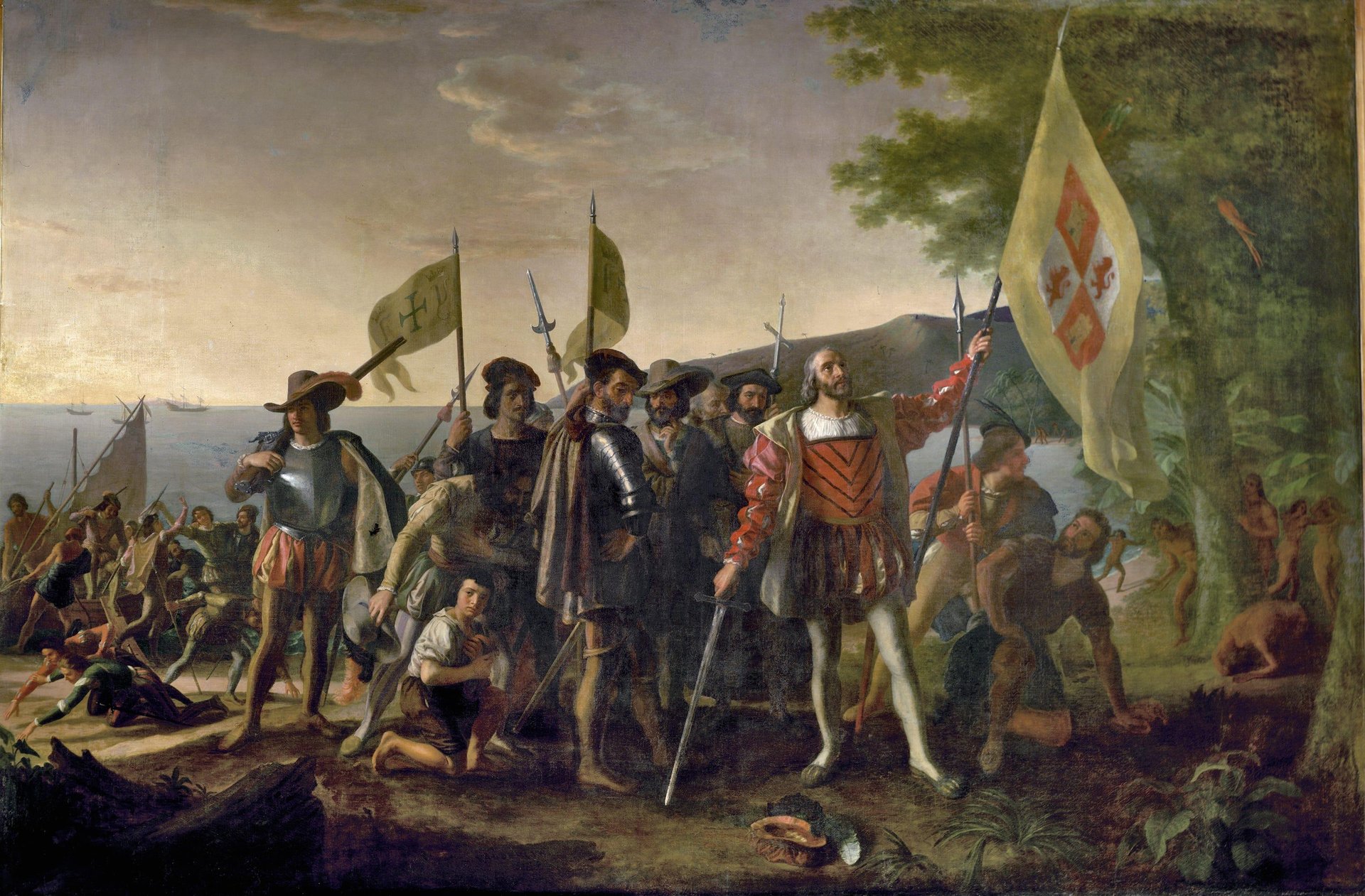
What if Christopher Columbus had never reached the Americas? Or what if European powers had never colonized Asia and Africa? The world we live in today would almost certainly look very different—for better or for worse.
Today's world has been shaped by centuries of interactions between countries. However, not all of these relationships were peaceful or diplomatic. One of the most influential historical processes was colonialism, which became especially significant from the 15th century onward.
Imagine you're a merchant in a European kingdom during the 15th century. Your king is powerful and wealthy, and maritime trade is the key to making a fortune. The most valuable goods at the time included precious stones, spices, and fine textiles. But there was one major problem. Finding new trade routes and expanding overseas offered enormous opportunities for wealth, but it also required huge financial investments with no guarantee of success. This was exactly what the Spanish monarchs hoped to achieve when they funded Christopher Columbus's voyage: they were searching for a new route to the Indies, a region famous for its wealth, as existing trade routes had become increasingly difficult and expensive.
When the Spanish arrived in the Americas and realized the abundance of natural resources, they gradually established control through alliances and military conquest. Their rule lasted for centuries. This is one of the most well-known examples of what we call colonialism.
Exploring, conquering, and settling new lands were all part of colonialism, but the process went much further. Colonial powers also governed these territories, extracted their resources, and imposed their authority while encountering societies with cultures very different from their own.
Colonialism is the political, economic, and cultural domination of a foreign territory and its population, usually for strategic or economic purposes. Beyond military conquest or territorial control, it was a historical process whose consequences continue to shape our world today. To understand this better, let's look at Spain's colonies in the Americas. In territories such as present-day Mexico and Peru, silver mining became one of the foundations of the Spanish Empire's economy. Much of this silver was extracted by Indigenous workers under systems of forced labor.
You've probably heard about Britain, the Netherlands, Portugal, or France as colonial powers, and rightly so. However, they were not the only ones. Countries such as the United States and Japan also established colonial empires at different points in history. Colonialism was not limited to one region or one historical period.
There are two closely related concepts that are often confused: colonialism and imperialism. Imperialism is generally associated with the period after the Industrial Revolution and became particularly intense during the late 19th century. While both involve one country dominating another, imperialism does not always require direct political control over a territory. Instead, a country may exercise influence through economic, political, or cultural means. In simple terms, colonialism focuses on governing and exploiting territories directly, while imperialism is about expanding a state's power and influence, whether directly or indirectly.
One of the best-known examples of imperialism is the Berlin Conference (1884–1885), during which European powers divided much of Africa among themselves. One consequence of this process was the creation of the Congo Free State, where millions of Congolese people died under the brutal regime of King Leopold II of Belgium.
European powers sought colonies because they provided valuable resources that fueled economic growth. For example, cotton grown in colonies supplied Europe's textile factories. Although historians continue to debate the exact relationship between colonialism and capitalism, many argue that colonial empires helped accelerate the transition from a trade-based economy to an industrial one. Silver, as mentioned earlier, illustrates the enormous economic value of colonial possessions. Silver coins became one of the world's most important currencies and enabled large-scale trade between Europe, the Americas, and Asia.
What Was Colonialism?
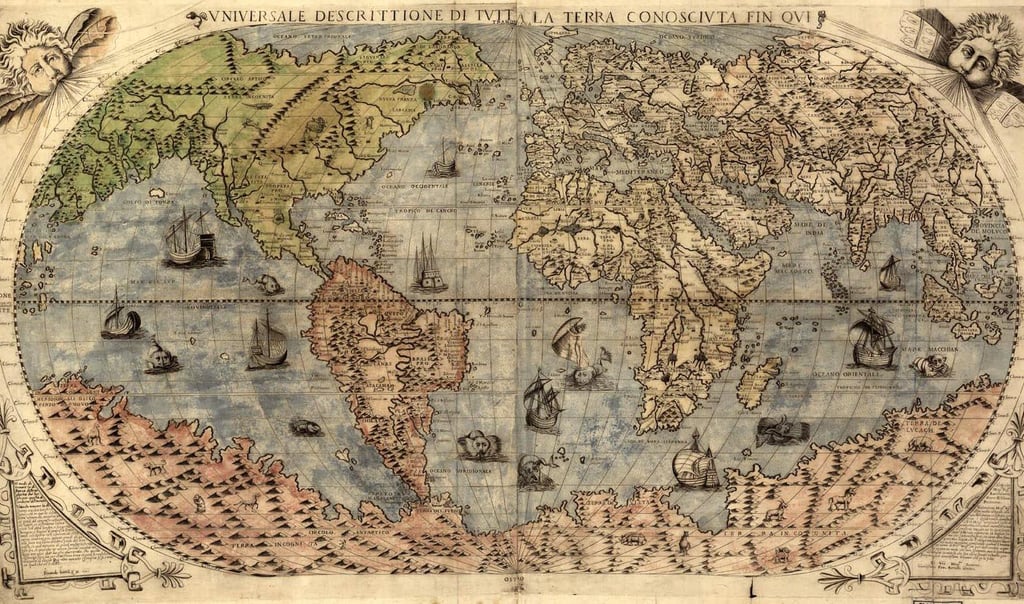
The effects of colonialism are still visible today. Socially, it helped create racial hierarchies and inequalities whose consequences remain in many societies. Economically, many scholars argue that colonialism played a significant role in shaping the unequal development of countries around the world.
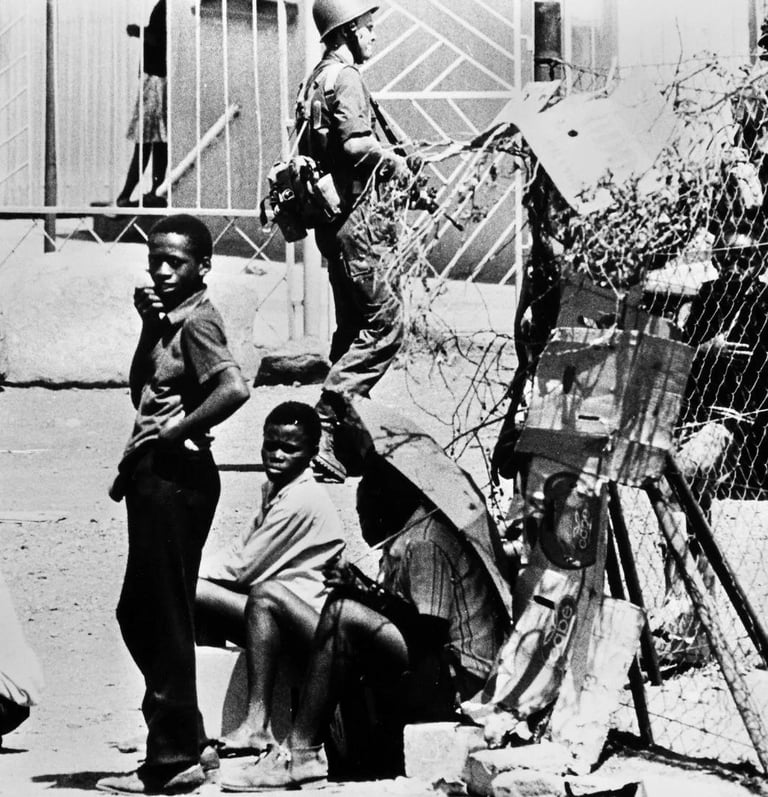
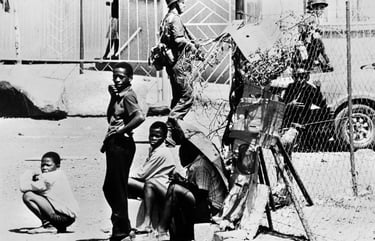
South Africa provides a clear example. Colonial racial discrimination eventually evolved into the system of Apartheid during the 20th century. Although apartheid has been abolished, significant economic inequalities between different racial groups remain today.
Colonialism also suppressed many Indigenous cultures while imposing the language, religion, and customs of colonial powers. In some places, this led to the disappearance of traditional knowledge, while in others it produced unique forms of cultural blending known as syncretism.
The language you speak, the borders you see on a map, and even some of the reasons why certain countries are wealthier than others can all be traced, at least in part, to colonialism. Although colonial rule has ended in most of the world, understanding its history remains essential if we want to understand the world we live in today.
How Colonialism Still Shapes Our World
Author: Andrés Moreno
Editor & Publisher: Lucía Lobato
© 2026. Unfolding The World. All rights reserved.
Understanding the World, One Story at a Time.
About Us
Our Team
QUICK LINKS