What Really Makes Someone a Refugee? (It's More Complicated Than You Think)
By Lena Kuna
Imagine Losing Everything Overnight
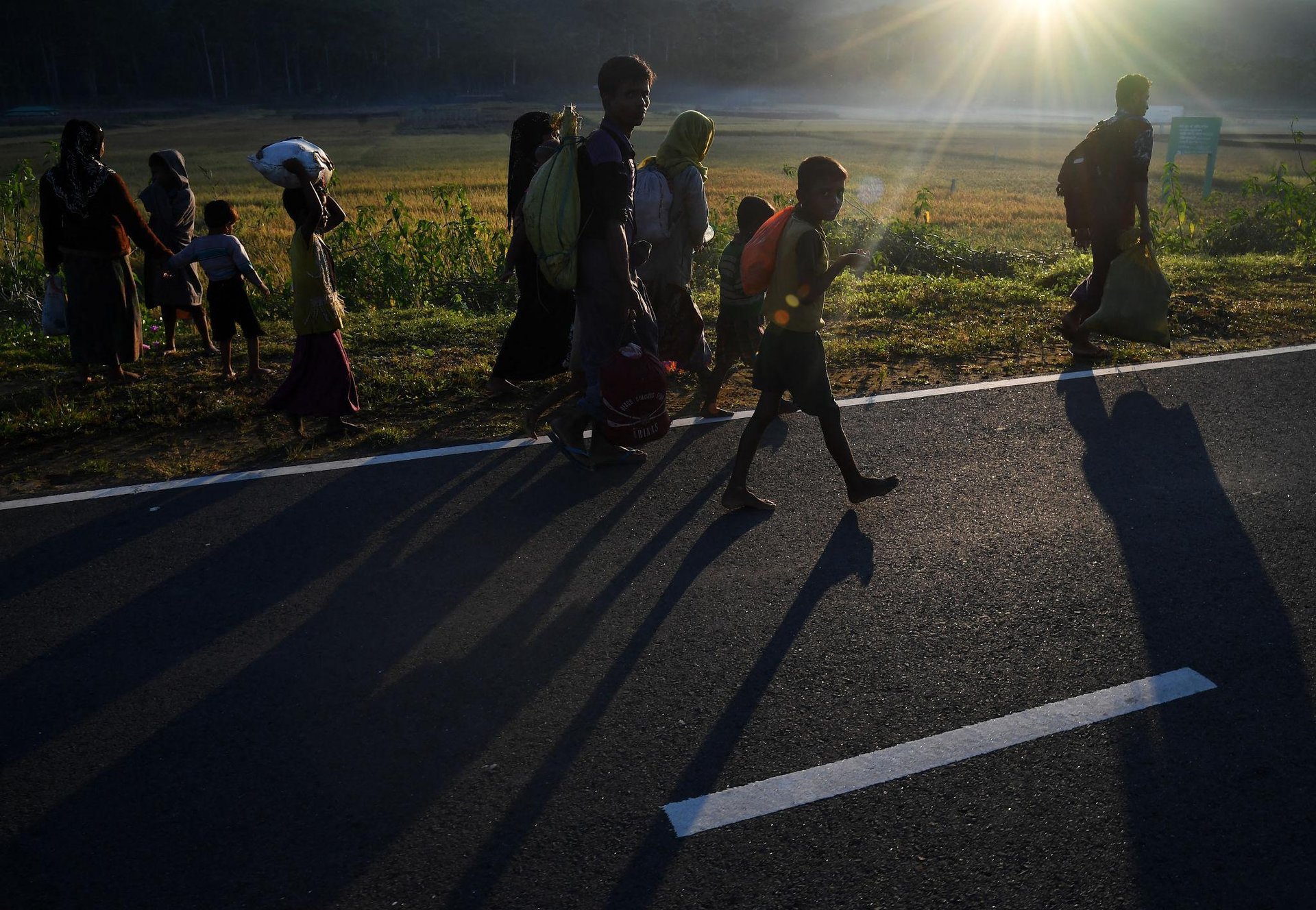
Imagine waking up one day and realising that the place you've always called home is no longer safe. Your school, your friends, your neighbourhood—everything you've ever known—could disappear overnight.
For millions of people around the world, this isn't just a thought experiment. It's reality. That's what happens to refugees: people who are forced to leave their country because their safety, freedom, or even their lives are at risk.
So... What Is Actually a Refugee?
A refugee is someone who has been forced to flee their country because of war, violence, persecution, or serious human rights abuses.
Unlike someone who moves abroad for a better job, education, or lifestyle, refugees don't really have a choice. Staying where they are could be extremely dangerous, so they seek protection elsewhere. Because of this, refugees are protected under international law.
Refugee vs Asylum Seeker: What's the Difference?
Before someone is officially recognised as a refugee, they are usually known as an asylum seeker.
An asylum seeker asks another country for protection while authorities investigate their circumstances. If their claim is accepted, they are granted refugee status. This process can sometimes take months—or even years.
Although people often use the two terms interchangeably, they don't mean the same thing. Every refugee was once an asylum seeker, but not every asylum seeker is eventually recognised as a refugee.
Why Do People Have to Flee?
People are forced to leave their homes for many different reasons.
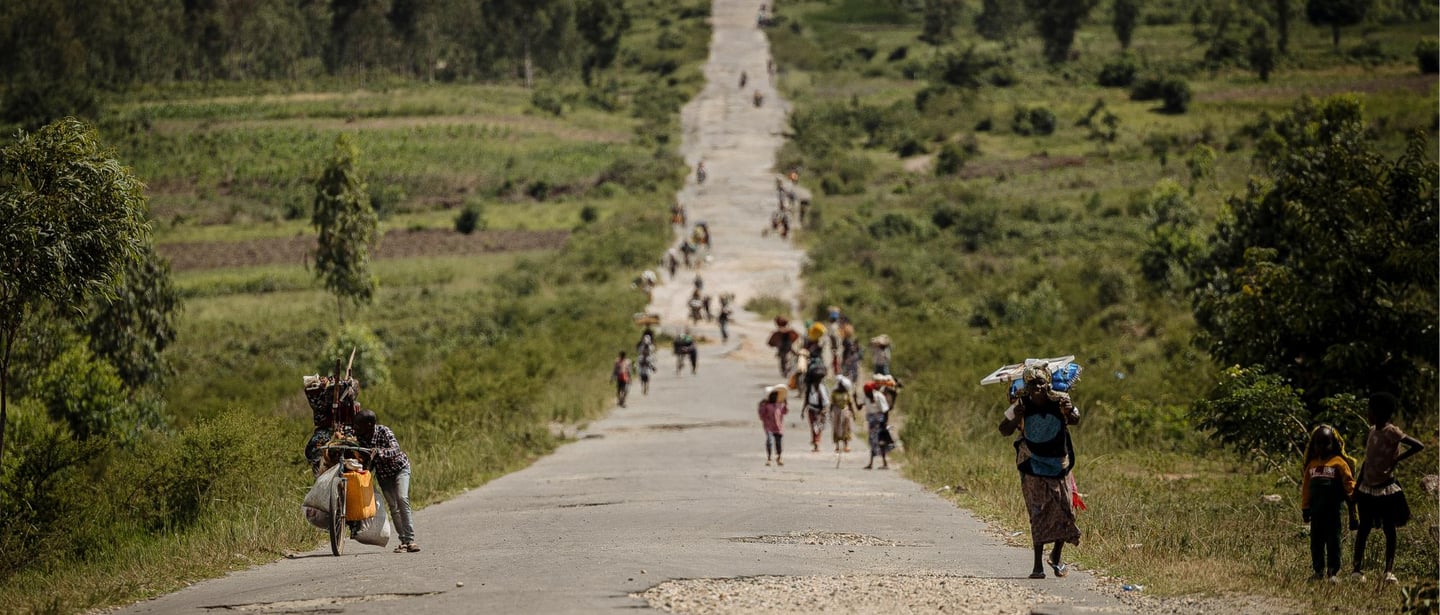
War and armed conflict are major causes, such as the ongoing civil war in Sudan or the conflict in Gaza. Others may be targeted because of their religion, ethnicity, political beliefs, or activism.
In some situations, severe economic collapse happens alongside conflict or persecution, making basic survival impossible and forcing people to flee. Whatever the reason, the common factor is that people are no longer safe in their own country.
The Rules That Protect Refugees
The rules protecting refugees didn't appear overnight. They were developed mainly after the Second World War, when millions of people across Europe had lost their homes because of war, genocide, and persecution.
In 1951, the United Nations adopted the Refugee Convention, which remains the foundation of refugee protection today. You can think of it as the rulebook that explains who qualifies as a refugee and what rights they should have.
According to the Convention, a refugee is someone who:
is outside their country,
has a well-founded fear of persecution,
cannot safely return home,
and cannot rely on their government for protection.
At first, these protections mainly applied to people displaced in Europe after the war. However, the 1967 Protocol removed these geographical and time limits, turning refugee protection into a truly global system.
The World's Biggest Refugee Crises Today
Unfortunately, refugee crises remain one of the world's biggest humanitarian challenges.
The civil war in Sudan has caused famine, attacks on civilians, and the collapse of healthcare systems, forcing millions to flee.
Russia's invasion of Ukraine created Europe's largest refugee crisis since the Second World War, with millions escaping to neighbouring countries.
In Gaza, conflict has damaged infrastructure and displaced huge numbers of civilians, while shortages of food, water, and medicine have made daily life extremely difficult.
Meanwhile, more than one million Rohingya people from Myanmar remain displaced, mostly in Bangladesh. Many have risked dangerous sea journeys in search of safety and stability.
Do Refugees Help or Hurt the Economy?
When large numbers of refugees arrive, host countries often experience both challenges and opportunities.
On the economic side, governments may face increased spending on housing, schools, healthcare, and support services. In some sectors, people worry about greater competition for jobs.
However, refugees can also help fill labour shortages, start new businesses, and contribute taxes to the economy. In fact, many successful companies around the world were founded by people who once arrived as refugees.
Socially, rapid population growth can sometimes create tensions, especially when misinformation or xenophobia spreads. Local services may also come under pressure. At the same time, refugees often bring new languages, cultures, traditions, foods, and international connections. Like adding new ingredients to a recipe, they can gradually become part of what makes a society richer and more diverse.
Why Refugees Divide Political Opinion?
Refugee policy is one of the most debated issues in modern politics because it involves balancing different priorities.
Supporters of refugee protection argue that helping people in danger is a moral responsibility. They believe that human rights should come before borders and point to international agreements that countries have signed.
Others emphasise national sovereignty. They argue that governments must prioritise their own citizens, maintain secure borders, and carefully manage migration to avoid overwhelming public services.
There is also the question of fairness. Many of the world's refugees are hosted not by wealthy countries but by neighbouring states with fewer resources. Bangladesh hosts large numbers of Rohingya refugees, while Chad, South Sudan, and Türkiye have taken in millions of people fleeing nearby conflicts.
One Question the World Still Can't Answer
Author: Lena Kuna
Editor & Publisher: Lucía Lobato
Should responsibility for protecting refugees be shared more equally across the world?
There is no simple answer.
Finding the right balance between humanitarian responsibility, national security, economic capacity, and international cooperation remains one of the greatest political challenges of the 21st century. As conflicts continue to force millions of people from their homes, the debate over how the world should respond is far from over.
© 2026. Unfolding The World. All rights reserved.
Understanding the World, One Story at a Time.
About Us
Our Team
QUICK LINKS