What Is the Global Economy Really?
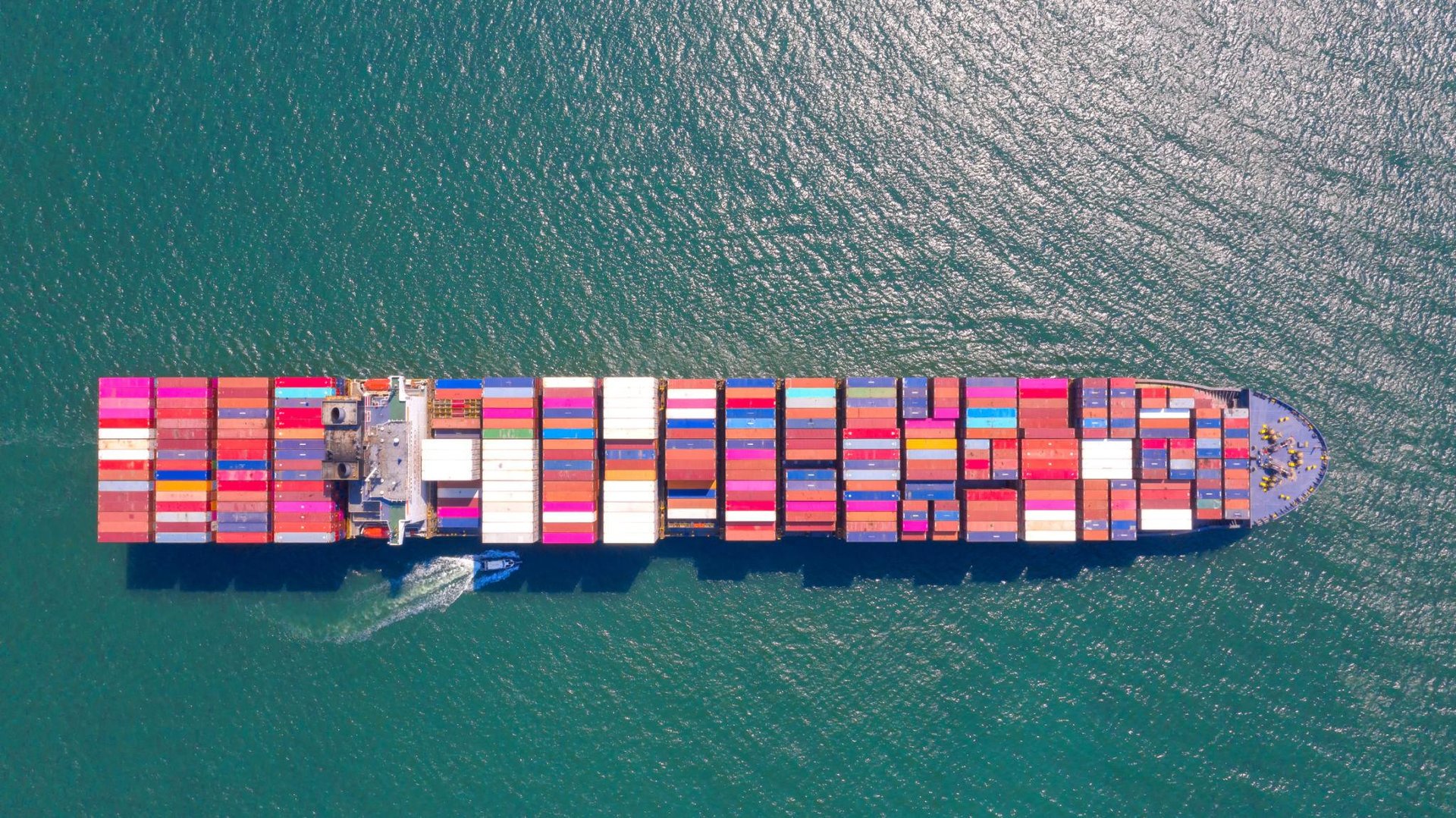
When we hear about the economy, most of us think of numbers on a screen. We think of things like the world's money, stock market figures, or oil prices. We see it as something distant, controlled by experts and computers.
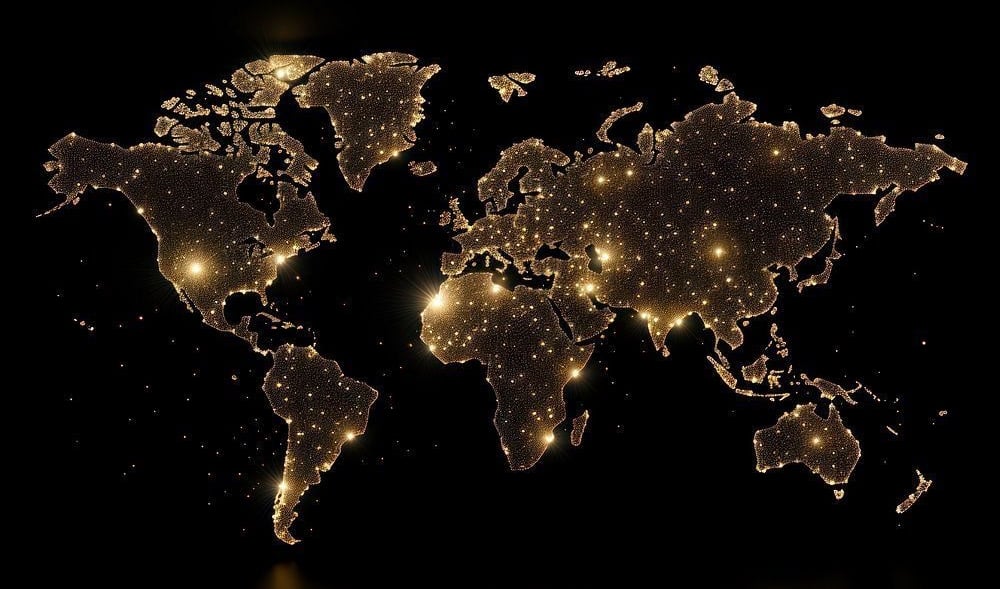
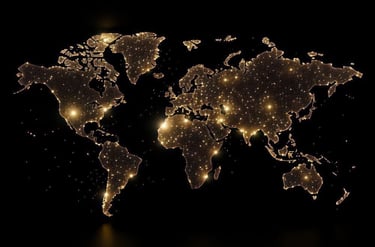
That's not really what it is. The global economy is more like a web. It's a living system that connects people around the world. A farmer in Vietnam is connected to a bond trader in New York. A factory worker in Mexico is connected to a family buying a smartphone in Berlin.
To understand it, we need to look at it differently. We need to see it as a system shaped by politics. It's held together by three things: trade, finance, and production.
The First Thread: Trade
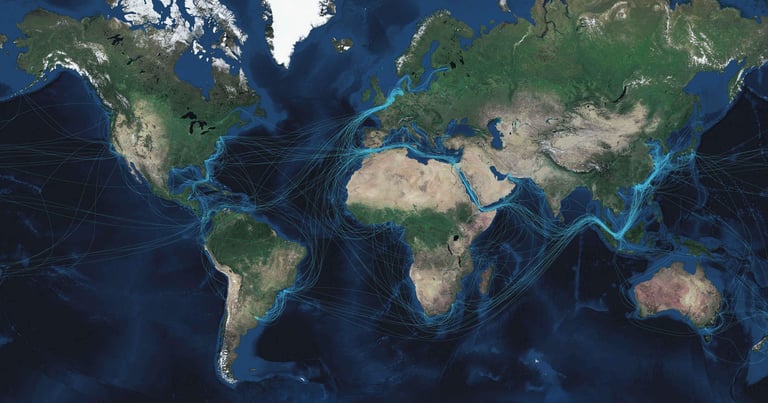
Trade is the oldest part of the global economy. For centuries, goods have been exchanged across borders. Today, trade is different. It is not just about products moving from one country to another. A single iPhone assembled in China contains components from dozens of countries. That's not just trade; it's cooperation on a global scale.
Trade is not only about efficiency. It is also about power. When one country wants to pressure another, it often uses trade as a tool. It can raise tariffs, restrict exports, or limit imports. Every time goods cross an ocean, there is often a political story behind them.
The Second Thread: Finance
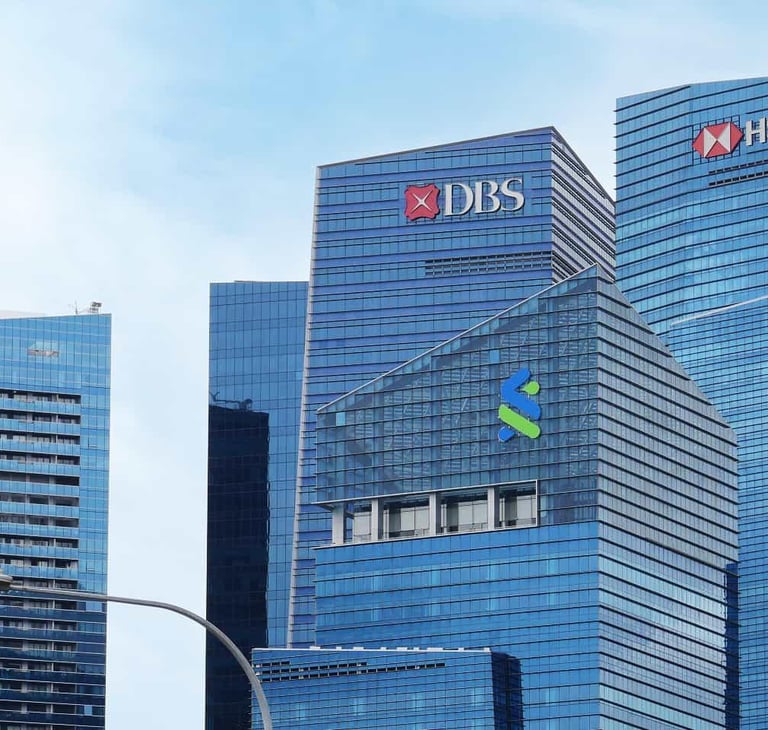
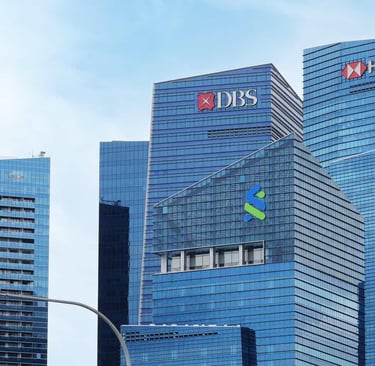
Finance is like the circulatory system of the global economy. It moves fast and can create enormous changes in a very short time. Money flows constantly across borders. A decision made in one financial center can affect businesses, workers, and families thousands of kilometers away.
This is why a financial crisis in one country can quickly spread to others. In a connected world, financial markets are rarely isolated.
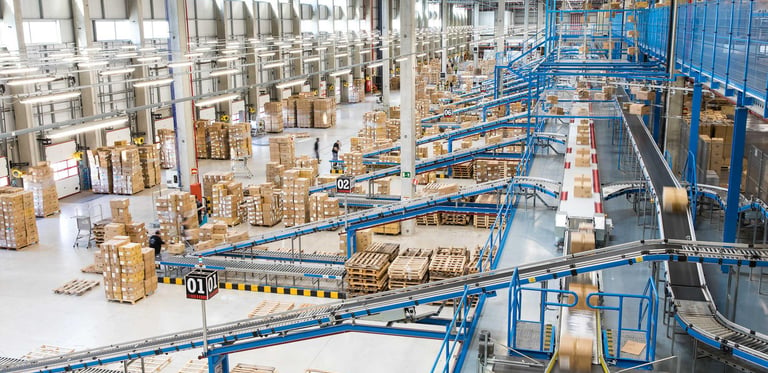
This is the part that most people never see. A global supply chain is not a straight line from one place to another. It is a network of companies, factories, suppliers, and transport systems, each responsible for a small part of the process.
These supply chains are incredibly efficient. They allow products to be made faster and often more cheaply than ever before. However, they are also fragile. When one link breaks, the effects can be felt around the world.
The Third Thread: Global Supply Chains
The Actors: States, Companies, and Institutions
So who controls this system? The answer is complicated.
Countries still matter. Governments create regulations, negotiate trade agreements, and provide support to industries. Companies also have enormous influence. They decide where to build factories, where to invest, and how global production is organized.
International institutions try to establish rules and coordinate cooperation between countries. However, their ability to enforce those rules is often limited.
The Truth: Economy as a Political System
The global economy is not separate from politics. In many ways, it is politics expressed through economic decisions.
When a wealthy country lends money to another country, it is rarely just about money. It is also about influence and power. When a company decides where to pay wages, build factories, or invest resources, those decisions have political consequences.
Economics is not simply about markets. It is about choices, priorities, and who benefits from them.
Living in the Web
The economy is not something you can touch. It is a constantly evolving set of relationships connecting people, businesses, and governments across the world.
Understanding it means accepting complexity. It is not just about markets or governments. It is a web in which every connection matters. When one part changes, the effects can spread across the entire system.
The question is not whether we are connected. We are. The real question is: who decides how the system works?
Right now, the answer is unsettling. No single actor is fully in control, yet everyone shares responsibility.
Author: Benson Nguyen
Editor & Publisher: Lucía Lobato
© 2026. Unfolding The World. All rights reserved.
Understanding the World, One Story at a Time.
About Us
Our Team
QUICK LINKS