The Most Powerful Weapon Isn't Always an Army
By Sophia Pandurskaya
It All Starts With a Loud Roommate
Imagine your roommate starts blasting music at 3 a.m. You knock on the wall, hoping they'll turn it down. Instead, they turn it up even louder. At that point, you might feel tempted to throw a soda at their laptop or start a fight in the hallway.
Sounds dramatic? Maybe—but countries face similar situations. Instead of roommates, they deal with other governments. Instead of hallways, they share borders. And instead of damaged laptops, the consequences can be wars.
That's where diplomacy comes in.
Diplomacy isn't just about being polite. It's about solving disagreements through dialogue before they turn into violence. Because once a war begins, everyone pays the price—even the side that wins.
Two Ways of Understanding the World
There are many ways to explain why countries behave the way they do, but two of the most influential ideas are Realismand Liberalism.
Realism argues that countries mainly look after their own interests. They seek power and security, and diplomacy is often seen as a temporary tool rather than a permanent solution.
Liberalism, on the other hand, believes that cooperation, trade and international institutions can reduce conflicts and create long-term peace.
Neither theory is completely right or wrong. They simply offer different perspectives, and history provides examples that support both.
When Diplomacy Saved the World
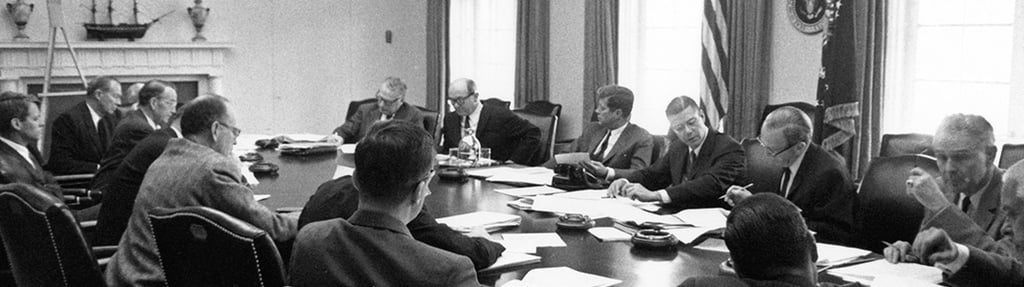
One of the best-known examples happened during the Cuban Missile Crisis in 1962. For thirteen tense days, the United States and the Soviet Union stood on the edge of a nuclear war.
Instead of attacking, both sides negotiated. The Soviet Union agreed to remove its missiles from Cuba, while the United States secretly agreed to withdraw its missiles from Turkey. No nuclear bombs were launched. Millions of lives may have been saved because both sides chose to keep talking.

When Dialogue Wasn't Enough
Diplomacy doesn't always succeed.
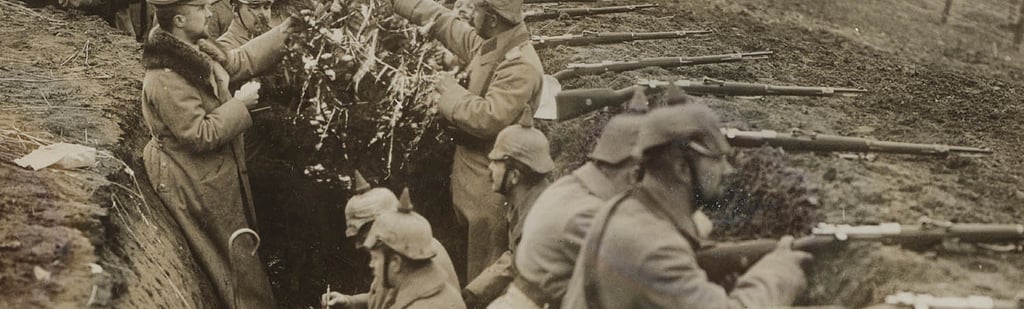
Before World War I, Europe had become increasingly unstable because of rival alliances, militarism and competition between empires. The assassination of Archduke Franz Ferdinand in 1914 acted as the spark that ignited an already dangerous situation.
The result was one of the deadliest conflicts in history, causing around 20 million deaths and changing the world forever.

Why Diplomacy Still Matters
Diplomacy can be slow. It can be frustrating. And it doesn't always prevent wars. But history shows that the alternative is usually much worse.
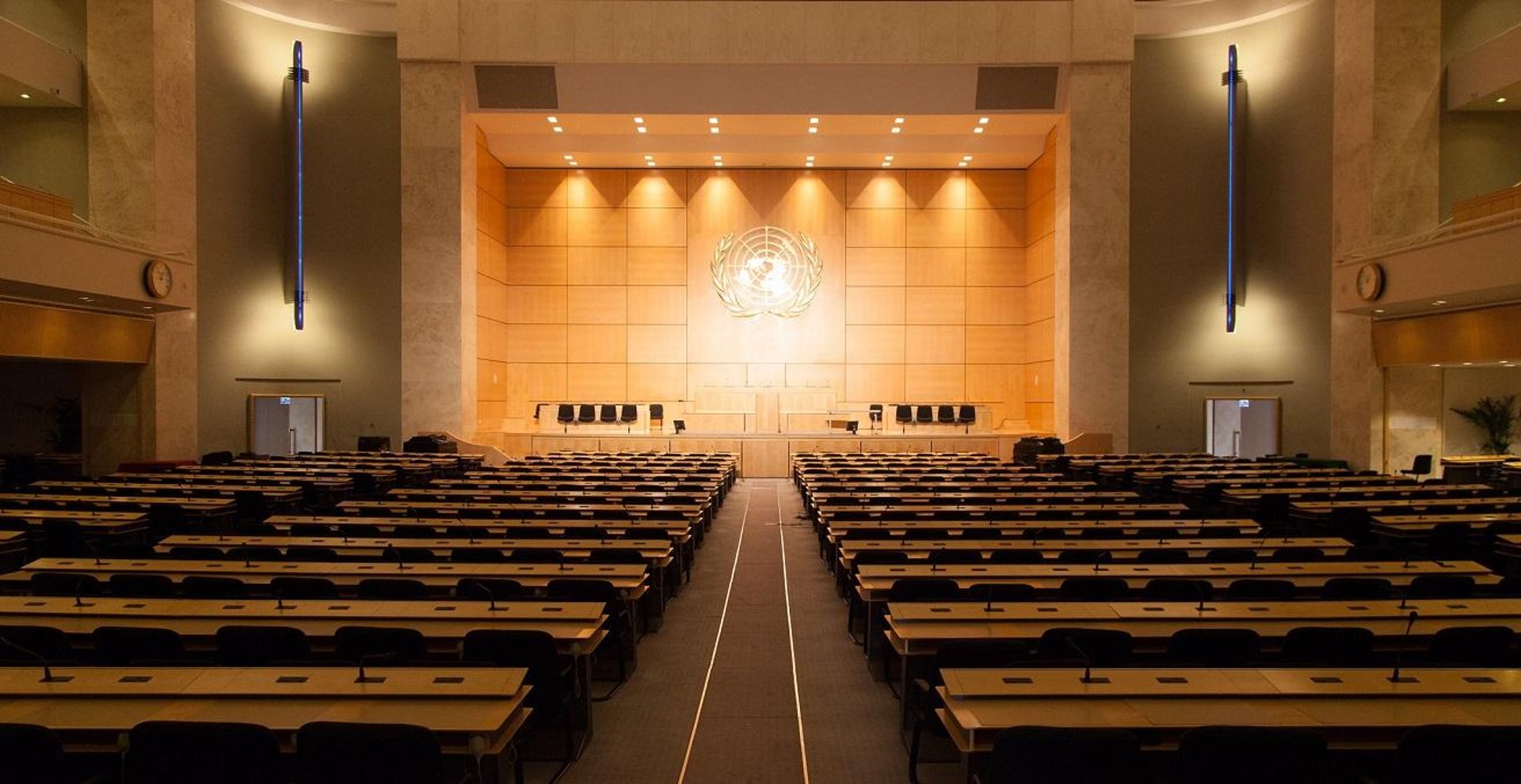
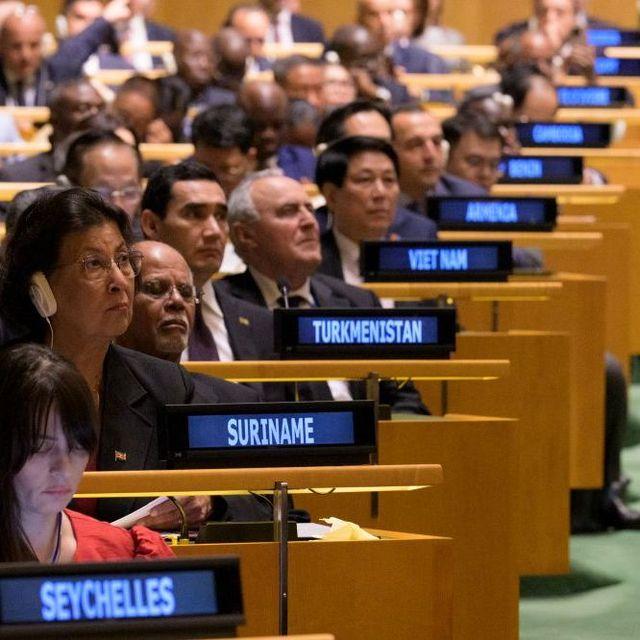
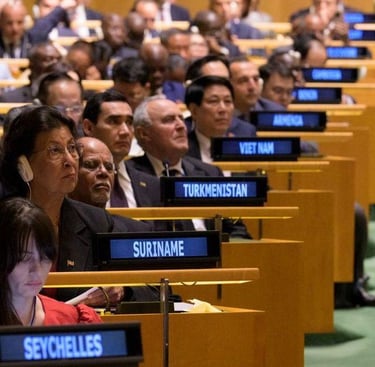
That's the idea behind the United Nations: providing countries with a permanent place to discuss disagreements, negotiate solutions and reduce the risk of conflict.
Does diplomacy always work? No. Is it still one of the best tools humanity has for avoiding war? Absolutely.
Sometimes, the strongest move isn't fighting.
It's talking.
Author: Sophia Pandurskaya
Editor & Publisher: Lucía Lobato
© 2026. Unfolding The World. All rights reserved.
Understanding the World, One Story at a Time.
About Us
Our Team
QUICK LINKS