NATO Explained: Why Does One Attack Involve 32 Countries?
By Anel Kalimova
It All Started After World War II
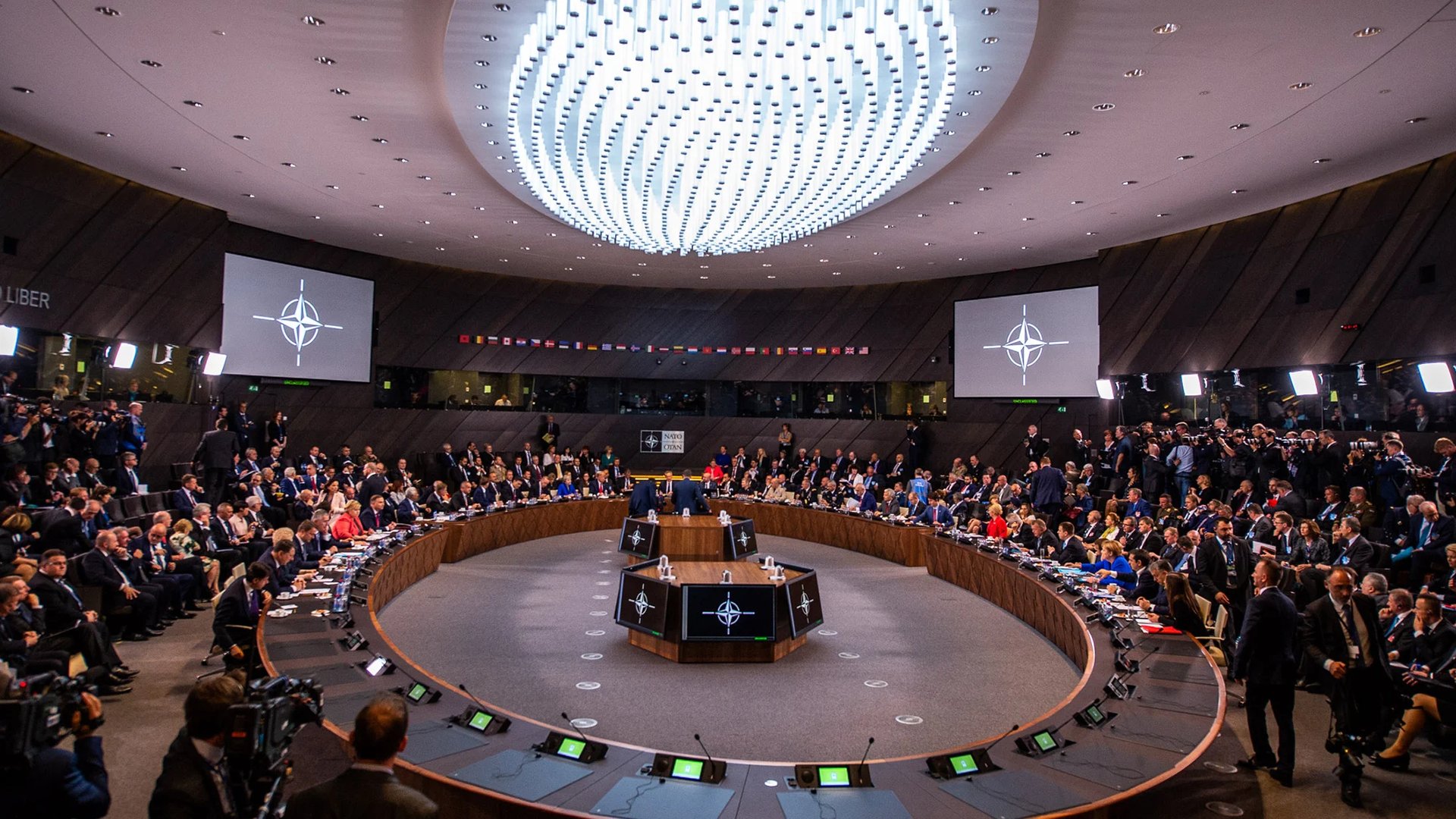
Imagine Europe in 1949. World War II had ended just four years earlier, leaving millions dead and much of the continent devastated. But peace didn't last long.
In 1946, tensions between the United States and the Soviet Union began to grow, marking the start of the Cold War. Although the two superpowers never fought each other directly, they competed politically, economically and militarily for decades.
As concerns about security increased, 12 countries signed the North Atlantic Treaty on 4 April 1949, creating what we now know as NATO.
So... What is NATO Exactly?
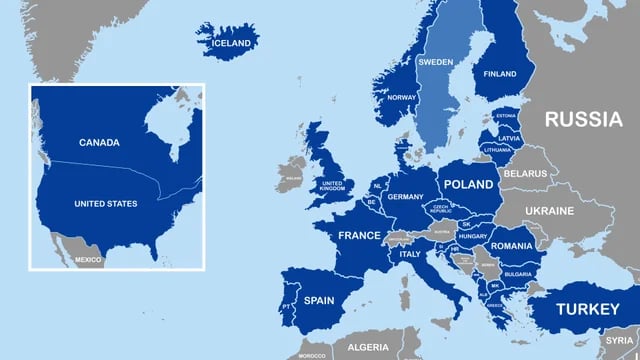
NATO (the North Atlantic Treaty Organization) is a political and military alliance made up of 32 countries across North America and Europe.
Its main goal is collective defence: protecting all member states if one of them is attacked.
The principle is explained in Article 5 of the North Atlantic Treaty.
Think of it like a group of friends. If someone starts a fight with one friend, the rest of the group stands by them. That doesn't necessarily mean everyone fights back in the same way—each country decides what actions it considers appropriate. Those actions could include military support, intelligence sharing, logistics or other forms of assistance.
How NATO Grew After The Cold War
After the collapse of the Soviet Union, many countries in Central and Eastern Europe wanted to join NATO, hoping to strengthen their security and become part of Western institutions.
The alliance expanded in several waves:
1999: Poland, Hungary and the Czech Republic joined.
2004: Estonia, Latvia, Lithuania, Bulgaria, Romania, Slovakia and Slovenia became members in NATO's largest enlargement.
2009–2020: Albania, Croatia, Montenegro and North Macedonia joined.
2023: Finland became a member, more than doubling NATO's direct land border with Russia.
2024: Sweden also joined the alliance, becoming NATO's 32nd member.
For many of these countries, joining NATO was seen as a way to reduce security risks by benefiting from the alliance's collective defence commitment.
More Than Just Defence?
Whether NATO is purely a defensive alliance or also a political instrument is still widely debated.
Supporters argue that NATO exists primarily to protect the sovereignty and security of its members and to deter potential aggression.
Critics, however, believe the alliance can also serve as a way for Western countries to expand their political and strategic influence. NATO's enlargement into Central and Eastern Europe, for example, has been welcomed by some governments but criticised by others, particularly Russia.
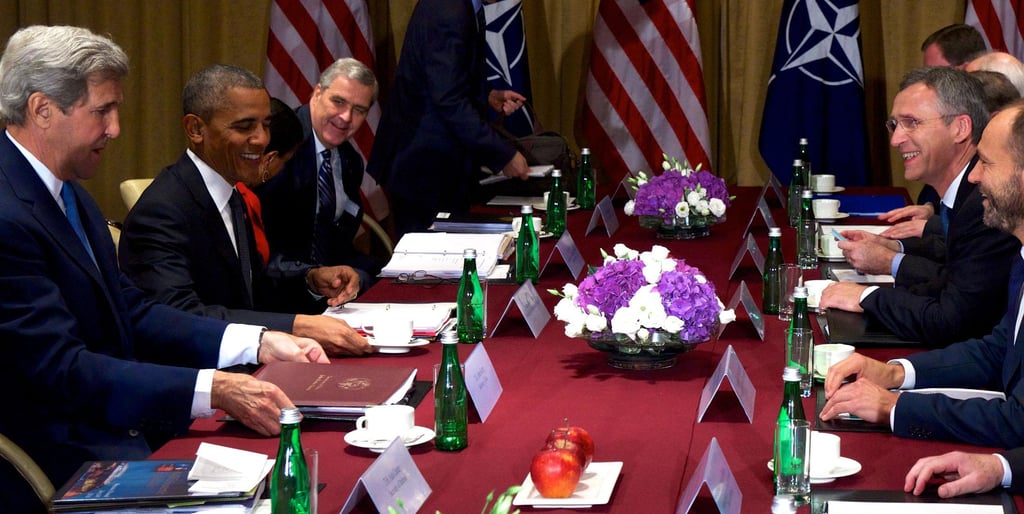
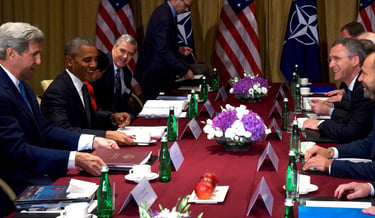
More than 75 years after it was created, NATO remains one of the world's most influential international organisations. For some, it is an essential guarantee of collective security. For others, it plays a broader geopolitical role that goes beyond defence.
Whichever perspective people hold, NATO continues to shape international relations and remains a central player in global security.
Author: Anel Kalimova
Editor & Publisher: Lucía Lobato
© 2026. Unfolding The World. All rights reserved.
Understanding the World, One Story at a Time.
About Us
Our Team
QUICK LINKS