If Nobody Wants War... Why Do Wars Keep Happening?
By Esma Kayran

Every day, the news reports another conflict somewhere in the world. From tensions between Iran and Israel to conflicts in Central Asia and beyond, wars continue to affect millions of people. Despite peace talks and international efforts, civilians are still forced to flee their homes, lose loved ones, and face the consequences of violence.
So, if almost everyone says they want peace, why do wars still happen? While every conflict has its own history and causes, there are several common factors that help explain why wars continue to exist today.
At its core, power is about survival and influence. In international politics, there is no single authority above every country capable of preventing conflicts altogether. Because of this, many governments believe that remaining strong is essential for protecting their security and interests.
Power comes in many forms. Military strength is one of them, but economic influence, technological development, diplomacy, and international trust are equally important. A country that is respected and trusted often has more influence than one that relies only on force.
For many political leaders, maintaining power also means protecting national interests and preserving their country's position in the world. Throughout history, some governments have taken extreme measures—including military action—to avoid losing influence or strategic advantages.
Power: The World's Most Valuable Currency
Before understanding why diplomacy sometimes fails, it's important to know what diplomacy actually is.
Diplomacy is the process of solving disagreements through dialogue and negotiation instead of violence. Imagine you and your sibling both want the last slice of pizza. Instead of arguing over it, you decide to split it in half so both of you get a fair share. That's diplomacy: finding a solution through compromise.
However, diplomacy only works when both sides trust the process and are willing to negotiate. If one country believes the other is lying, delaying negotiations, or acting in bad faith, that trust quickly disappears.
This mistrust can become a serious problem. Even when both sides say they want peace, they may question each other's intentions, asking themselves: Are they really negotiating, or are they simply buying time?
When communication breaks down and compromise becomes impossible, diplomatic efforts often fail, increasing the risk of conflict.
When Talking Isn't Enough


Another reason wars continue is that countries are constantly competing, even during times of peace.
Imagine playing a game without a referee. No one is there to guarantee your safety or make sure everyone follows the rules. Naturally, every player tries to stay one step ahead.
Many political scientists describe this idea through a theory called Realism, which argues that because there is no global government capable of fully enforcing peace, countries constantly seek to protect themselves by strengthening their economies, militaries, and alliances.
A good example today is the relationship between the United States and China. Although they are not at war, they compete in areas such as technology, trade, and global influence. Similar rivalries have existed throughout history, including the Cold War between the United States and the Soviet Union, as well as centuries of competition between France and England.
This doesn't always lead to war, but it does create an environment where tensions rarely disappear completely.
A Competition That Never Really Ends
While the reasons behind wars often remain similar, the way wars are fought has changed dramatically.
Centuries ago, battles usually took place face to face. Soldiers fought with swords, spears, or muskets, and combat depended largely on physical presence on the battlefield. Warfare was brutal, and many soldiers never returned home.
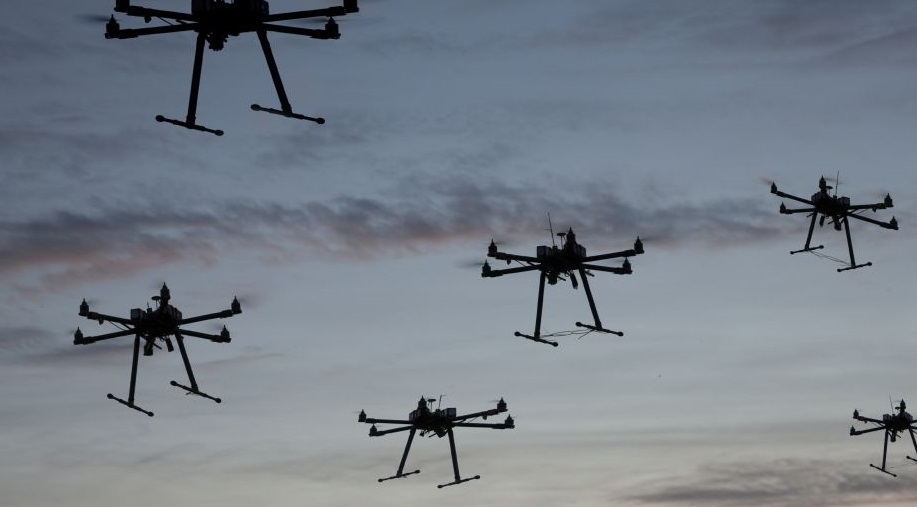
Today, technology has transformed conflict. Drone strikes can be launched from thousands of kilometres away, cyberattacks can disrupt a country's infrastructure without a single soldier crossing a border, and advanced weapons can cause destruction on a much larger scale than ever before.
Although warfare has evolved, many of its underlying causes—power, insecurity, competition, and failed diplomacy—continue to shape international conflicts.
How Modern Wars Have Changed
Wars today may look very different from those fought hundreds of years ago, but many of the motivations behind them remain surprisingly familiar.
Understanding why conflicts happen does not provide simple solutions, but it helps us see that wars are rarely caused by a single event or decision. They are usually the result of political interests, historical tensions, mistrust, and competition coming together over time.
By learning about these causes, we can better understand the world we live in—and perhaps become more informed citizens capable of contributing to a more peaceful future.
Can Humanity Ever Break the Cycle?
Author: Esma Kayran
Editor & Publisher: Lucía Lobato
© 2026. Unfolding The World. All rights reserved.
Understanding the World, One Story at a Time.
About Us
Our Team
QUICK LINKS