How Did Empires Rule the World... and Why Did They Always Fall?
By Silke Hermanns

According to the Cambridge Dictionary, an empire is a group of countries ruled by a single person, government or country. It seems simple, right? However, it is one of the most complex and influential forms of political organization in human history.
What is an empire really? How do empires grow and eventually dominate the world? And why do they always seem to fall? Let's find out.
An empire is a system of control in which a powerful group (often a country or a group of people) dominates other people's territories or states. It extracts resources and reshapes societies through force and culture, turning conquered lands into extensions of its power. It builds economies, institutions and even identities to sustain its dominance.
It's like when you take over everyone's part of the group project to make sure you get a good grade—but you still use everyone's skills and research to do it.
What Actually Is an Empire?
The expansion of empires has rarely been the result of a single factor. Instead, it comes from the combination of military power, economic strength and cultural influence.
Military power is the foundation of imperial growth. A strong army allows an empire to defeat rivals, expand its borders and protect its territory. But conquest alone isn't enough.
Empires also need a strong economy. Control over trade routes, monopolies on valuable goods and efficient taxation generate the wealth needed to keep armies moving and governments functioning. You can't just keep fighting forever—you need money to do it.
Finally, even the strongest military and economy will struggle without cultural cohesion. Successful empires encouraged loyalty through language, religion, traditions and institutions, making conquered peoples feel part of something larger.
Think of it like a group of friends. If they're only together because of money or gossip, the friendship won't last. They also need traditions, shared memories and inside jokes. Empires worked in much the same way.
Ideology and public perception also played a crucial role in justifying expansion and maintaining support.
Empires don't become global powers by accident. They succeed because military strength, economic control and cultural influence come together at exactly the right historical moment.
The Three Ingredients Every Empire Needs
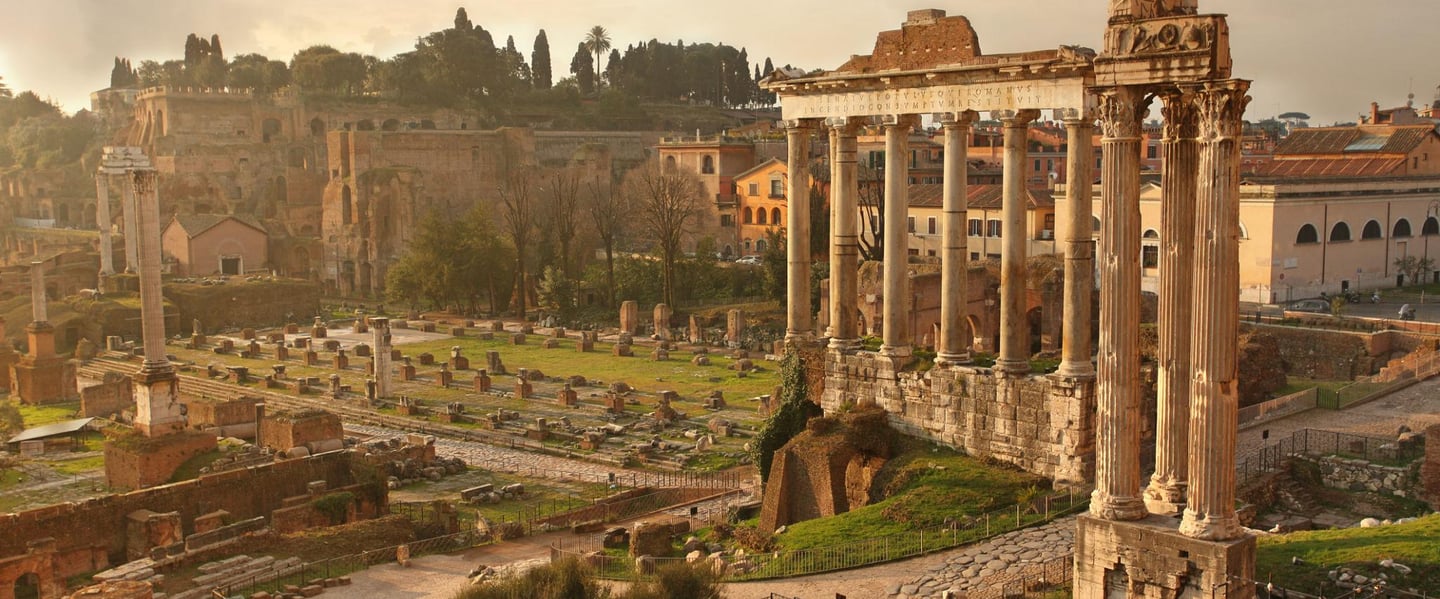
The Roman Empire didn't become dominant simply because of its powerful legions. It also benefited from a Mediterranean world already shaped by centuries of conflict between Greek kingdoms, Carthage and other regional powers.
The Punic Wars weakened Carthage, leaving Rome as the strongest military force in the region. At the same time, Rome's economy—built on conquest, slave labour and an extensive network of roads—allowed it to keep expanding.
Rome was basically like a brand-new social media app launching just when all the existing platforms were struggling with competition and chaos.
Rome: Winning When Everyone Else Was Losing

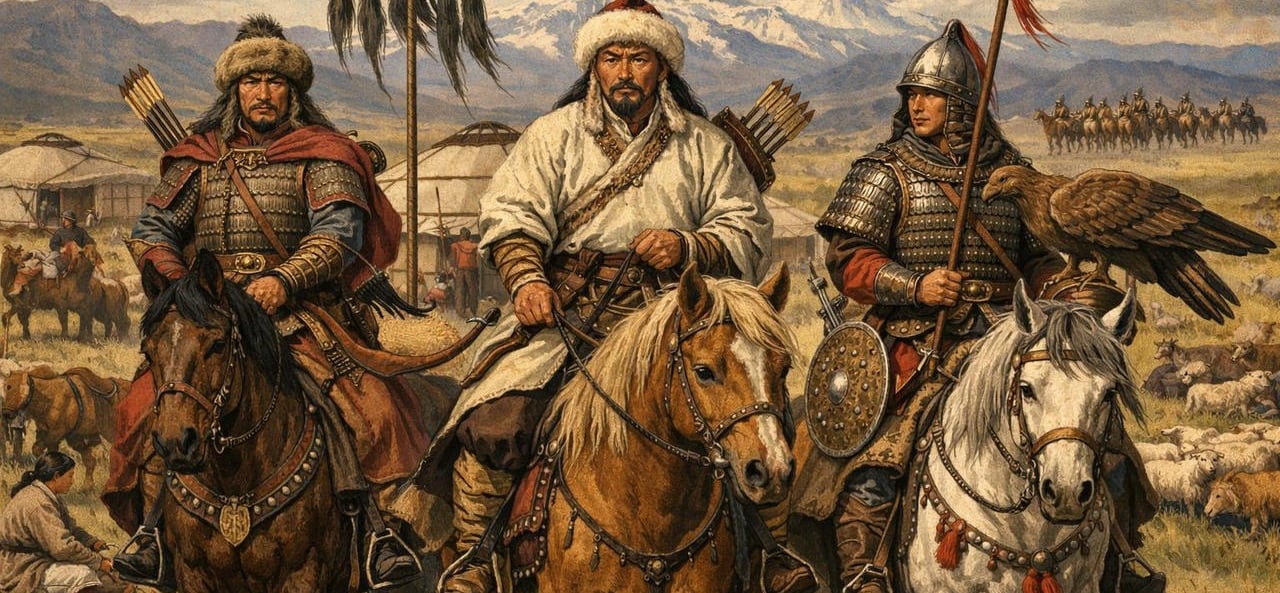
The Mongol Empire rose during one of history's most unstable periods.
In the 13th century, Central Asia was divided between rival tribes and weakened kingdoms. Genghis Khan united many of these nomadic groups under one banner and built one of the most effective armies the world had ever seen.
The Mongols also benefited from technological and logistical advantages. Their military tactics, speed and psychological warfare gave them an enormous advantage over their enemies.
Unlike many empires, they often allowed conquered peoples to keep their own traditions and governments, making their empire easier to manage.
So what was their biggest strength? They didn't just conquer—they adapted.
The Mongols: Turning Chaos into Power
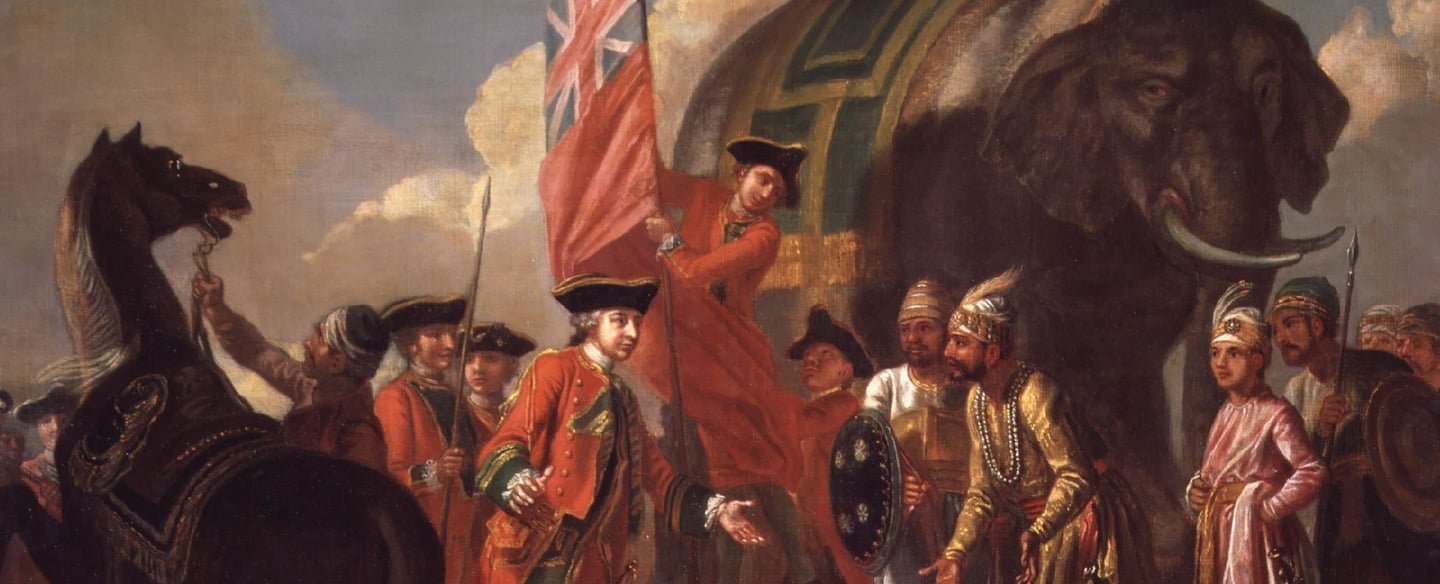
The British Empire became the world's leading power during the 18th and 19th centuries because it combined industrial innovation with naval supremacy at exactly the right moment.
As several older empires declined, Britain led the Industrial Revolution, giving it major economic and military advantages. Its navy controlled global trade routes, while its financial system provided the resources needed to expand across continents.
Imagine arguing with your friends over who gets to play music in the car, only for the quietest person to take the aux and reveal the best playlist you've ever heard. That was Britain.
Britain: The Empire That Mastered the Seas
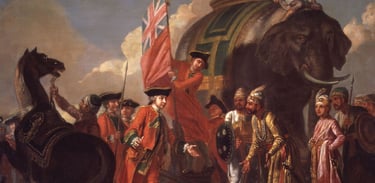
Although every empire was different, they all shared something in common. They took advantage of moments of instability, adapted to new technologies and exploited opportunities that others couldn't see.
History suggests that timing can be just as important as strength. (That said... we'd still recommend sticking to school projects instead of trying to build your own empire.)
The Secret Behind Every Empire
Other Empires That Changed History
For more than 600 years, the Ottoman Empire ruled territories stretching from Hungary to Iraq, shaping Europe, the Middle East and North Africa.
Originally a small Anatolian state, it expanded through military strength and effective administration. Its elite Janissary soldiers became famous for their discipline, while the millet system allowed many religious communities to govern themselves, helping maintain stability across a diverse empire.
Under Suleiman the Magnificent, art, science and law flourished, while cities such as Istanbul became some of the world's greatest centres of trade.
You now know a little about some of history's most powerful empires. But many others also left a lasting mark on the world.
THE AKKADIAN EMPIRE (2334–2154 BCE)
Founded by Sargon of Akkad, the Akkadian Empire is often considered the world's first true empire. Unlike earlier city-states, it united a vast territory under one ruler, one language and one administrative system.
Sargon's professional standing army, equipped with bronze weapons, transformed warfare and allowed him to conquer lands stretching from the Persian Gulf to the Mediterranean.
THE OTTOMAN EMPIRE (1299–1922)
No empire lasts forever. Almost every empire collapses because of three recurring challenges.
Overextension. As empires grow larger, they become harder and more expensive to govern. Borders become difficult to defend, rebellions increase and resources become stretched.
Internal decay. Corruption, inequality, poor leadership and weakening social unity slowly undermine an empire from within. When ruling elites stop serving the wider population, instability often follows.
External shocks. New powers emerge, technology changes and large-scale migrations reshape the balance of power, making old empires increasingly vulnerable.
Why Does Every Empire Eventually Fall?
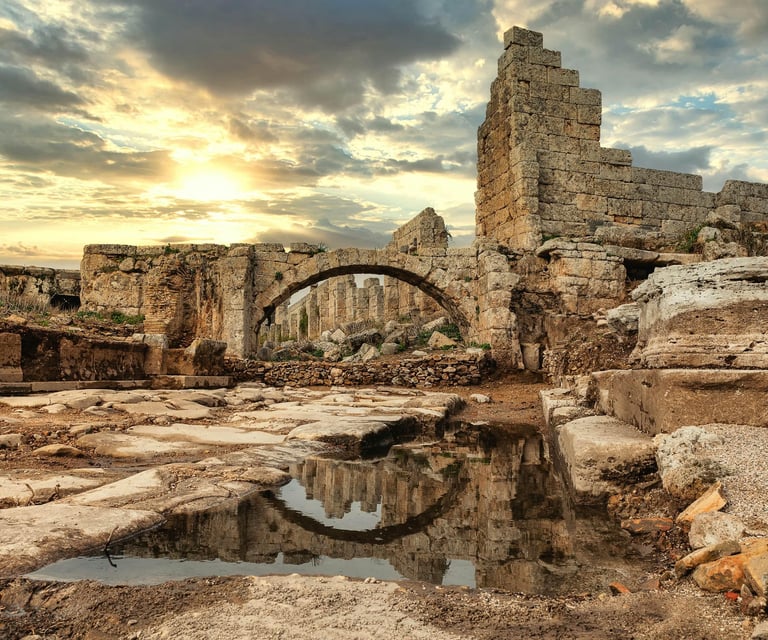
Not Even after they collapse, empires continue shaping the world. Many of today's most widely spoken languages—including English, Spanish and French—spread through imperial expansion. Legal systems, government institutions and administrative structures also trace many of their roots to imperial history.
Global trade networks and much of today's interconnected economy were heavily influenced by centuries of imperial expansion and overseas commerce. Empires may disappear, but their influence often survives for centuries.
Now you know what an empire is, how empires grow, why they rise during particular historical moments and why, eventually, every empire falls. The real question is: if history tells us that every empire eventually declines... what could the next global superpower look like?
Do Empires Ever Really Disappear?
Author: Silke Hermanns
Editor & Publisher: Lucía Lobato
© 2026. Unfolding The World. All rights reserved.
Understanding the World, One Story at a Time.
About Us
Our Team
QUICK LINKS