Cultural Globalization: When the Whole World Watches the Same Thing
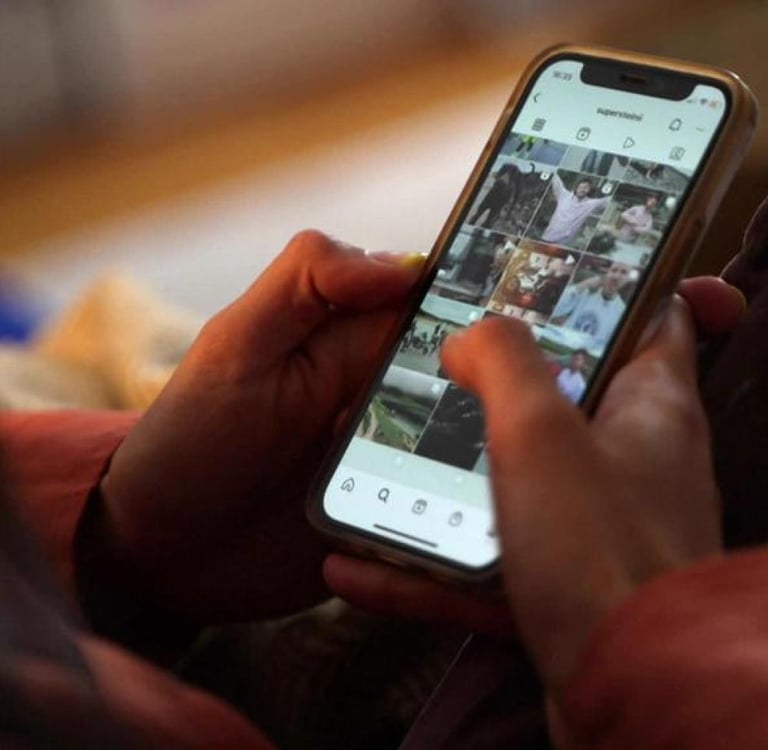
Have you ever opened TikTok and seen the exact same trend as someone living on the other side of the planet? One minute you're watching a Japanese teenager dance in their kitchen, the next it's someone in Brazil doing the exact same dance.
Weird, right?
Welcome to cultural globalization: the reason millions of people around the world are suddenly obsessed with the same songs, films, memes and celebrities.
Cultural globalization is the spread of culture across countries through technology, media, trade and the internet. Sounds complicated, but really it just means ideas, entertainment, fashion and trends travel much faster than they used to.
Years ago, people mostly watched local TV shows and listened to music from their own country. Today, a teenager in the UK can binge-watch Korean dramas, listen to American rap, wear Japanese fashion trends and laugh at Australian memes all in the same day.
The internet has turned the world into one giant group chat.
" Perhaps the challenge now is making sure we stay connected without becoming copies of one another. "
Olivia Yu
Why Is Culture Spreading So Fast?
One major reason is the global spread of digital content. Movies, music and trends can now reach billions of people almost instantly.
Think about massive shows like Squid Game or worldwide music stars like Taylor Swift. People everywhere talk about them online, even if they speak different languages.
Sometimes it feels like the entire planet is watching the same thing at the same time.
Honestly, when everyone posts spoilers within five minutes of a new episode being released, do we even get a choice anymore?
Streaming platforms and social media have massively accelerated this process.
Apps such as TikTok, Netflix and YouTube influence a huge amount of what people watch and listen to. Their algorithms push popular content to millions of users, meaning one funny video or catchy song can become famous overnight.
Social media also creates shared experiences. Entire communities form around shows, games and online trends.
However, there is a downside.
Trends disappear almost as quickly as they arrive. One week everyone is obsessed with a song; the next week nobody remembers it existed.
Internet fame has the lifespan of a sandwich left in the sun.
The Fear of Cultural Homogenization
Not everyone sees this as a positive development.
Some people worry about cultural homogenization: the idea that the world is becoming too similar. If everyone watches the same films, listens to the same music and copies the same fashion trends, could local cultures slowly disappear?
Imagine travelling to another country only to find the same fast-food chains, the same influencers and the same trends everywhere. Kind of disappointing, isn't it? Local traditions, languages and customs can sometimes struggle to compete with powerful global entertainment industries.
On the other hand, globalization can also increase cultural diversity. People now have access to cultures they may never have experienced before. Someone in Europe can learn about Indian festivals, Mexican cuisine or Korean music within seconds.
Rather than destroying culture, some argue that globalization encourages people to appreciate cultural differences. After all, would millions of people outside South Korea have discovered K-pop without the internet? Probably not.
This creates tension between global culture and local cultures.
Global culture connects people through shared interests, but local culture provides communities with identity, history and tradition.
Some countries actively try to protect their culture by supporting local films, languages and music industries. France, for example, has policies that encourage French-language media so that American entertainment does not completely dominate the market.
Without some form of protection, smaller cultures can sometimes be overshadowed by countries with much larger media industries.
How Is Cultural Identity Changing?
Because of all this, cultural identity is changing too.
Many people today grow up with multiple cultural influences rather than just one. A teenager might celebrate local traditions at home while also following global fashion trends online. Identity becomes more flexible and increasingly connected to the wider world.
Some people welcome this because it allows greater freedom and self-expression. Others worry that people are losing touch with their roots.
Can a country maintain a strong national culture when everyone online seems to consume the same content? It is a question governments, parents and teenagers are all still trying to answer.
In the end, cultural globalization is both exciting and complicated. It helps people connect, discover new ideas and share entertainment across borders. At the same time, it can make cultures feel less unique and more commercialized.
The world is more connected than ever before, but perhaps the challenge now is making sure we stay connected without becoming copies of one another.
Author: Olivia Yu
Editor & Publisher: Lucía Lobato
© 2026. Unfolding The World. All rights reserved.
Understanding the World, One Story at a Time.
About Us
Our Team
QUICK LINKS